
Highland Bridge: Ford Plant Brownfield Redevelopment
"Confluence has shown a unique ability to be nimble in terms of project support. Confluence has a wide range of professionals and skills, and their team was flexible from early neighborhood engagement through construction documents. We leaned heavily on them throughout the project and were impressed with everything they had to offer."
Tony Barranco / Ryan Companies SVP
 ;
;
 ;
;
 ;
;
 ;
;
 ;
;
 ;
;
 ;
;
 ;
;
 ;
;
 ;
;
 ;
;
 ;
;
 ;
;
;
;
 ;
;
 ;
;
 ;
;
 ;
;
 ;
;
 ;
;
 ;
;
 ;
;
 ;
;
 ;
;
 ;
;
 ;
;
 ;
;
 ;
;
 ;
;
 ;
;
Highland Bridge: Ford Plant Brownfield Redevelopment
St. Paul, Minnesota
Healing Through Hydrology
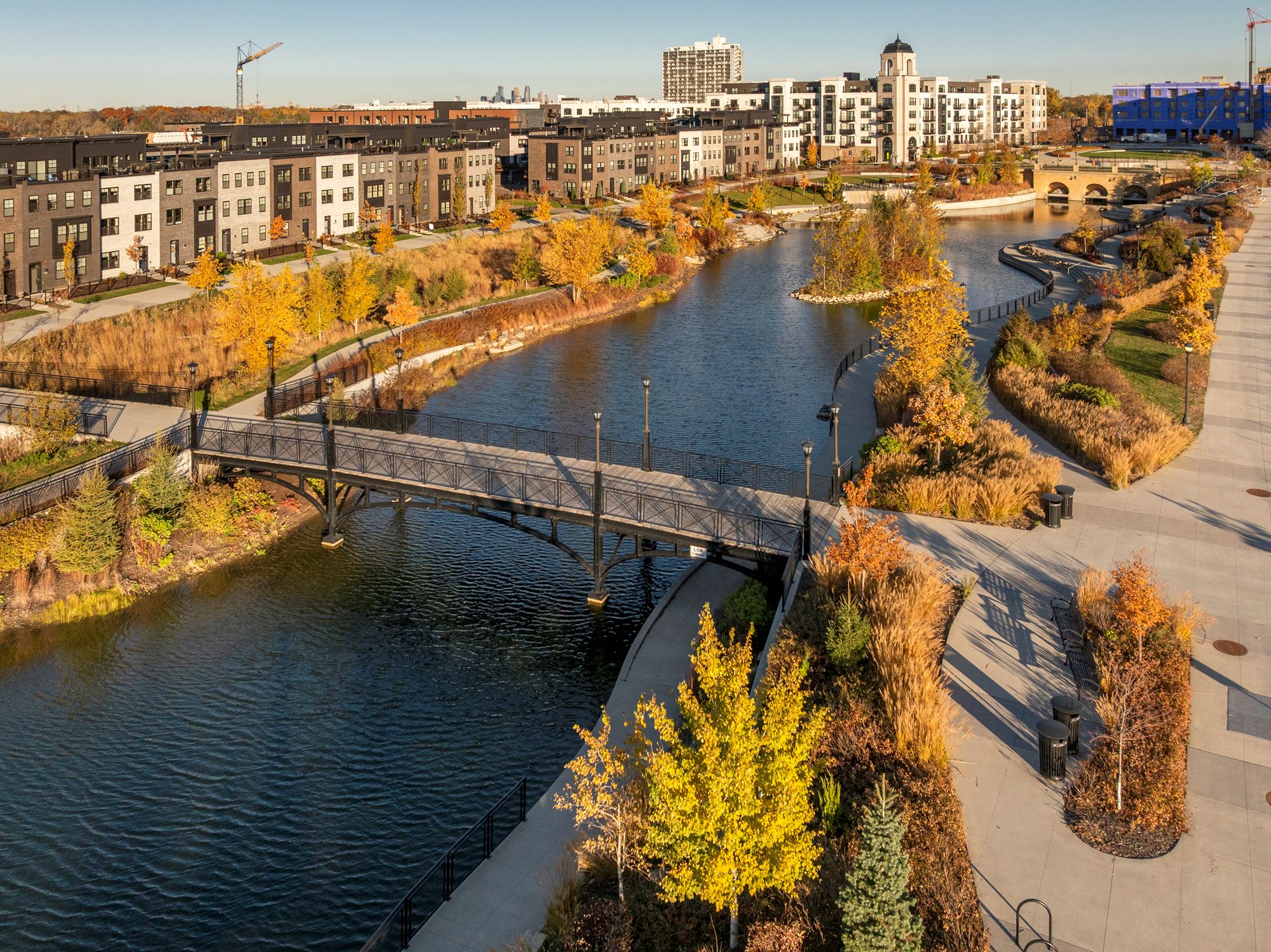
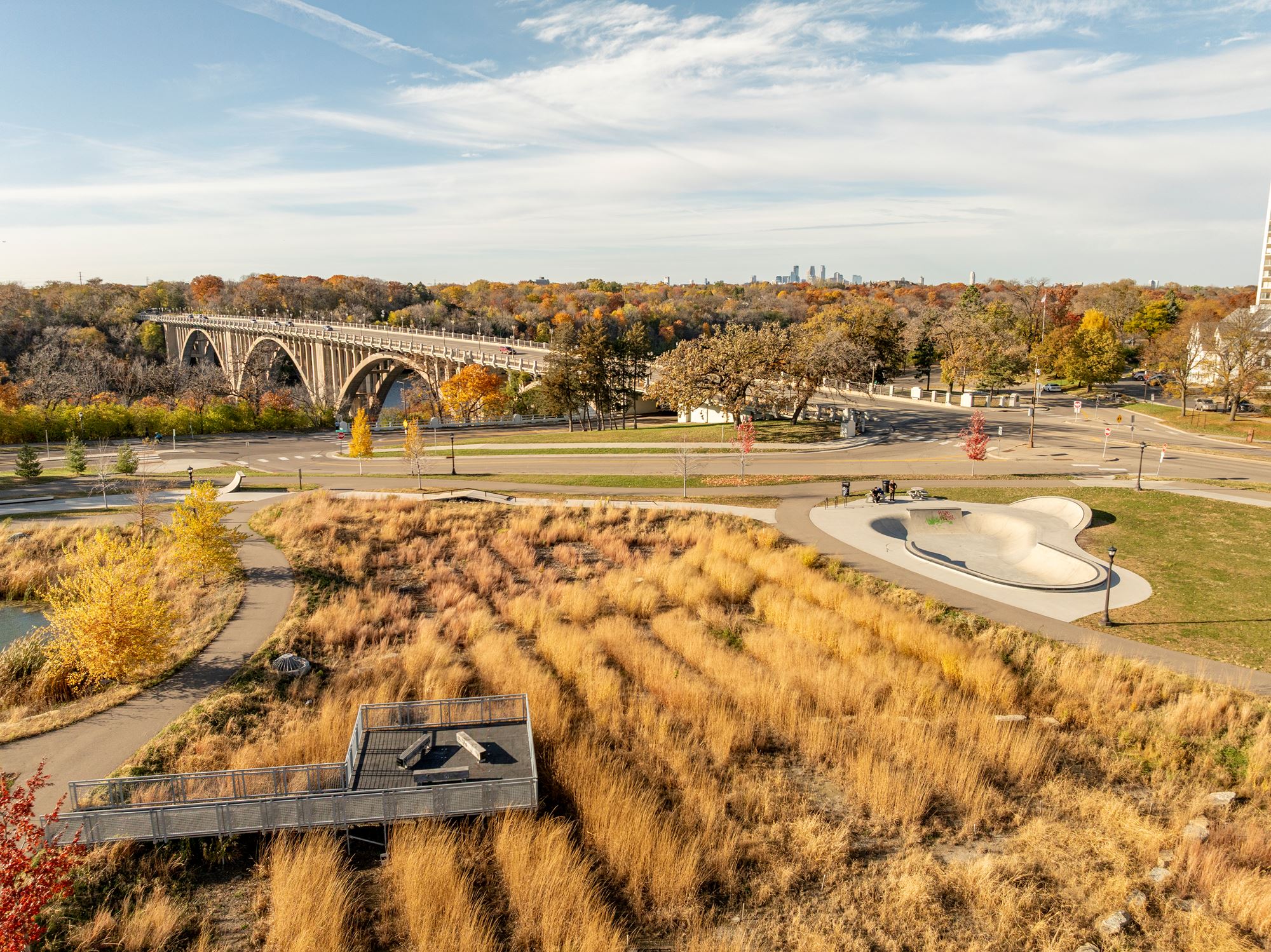
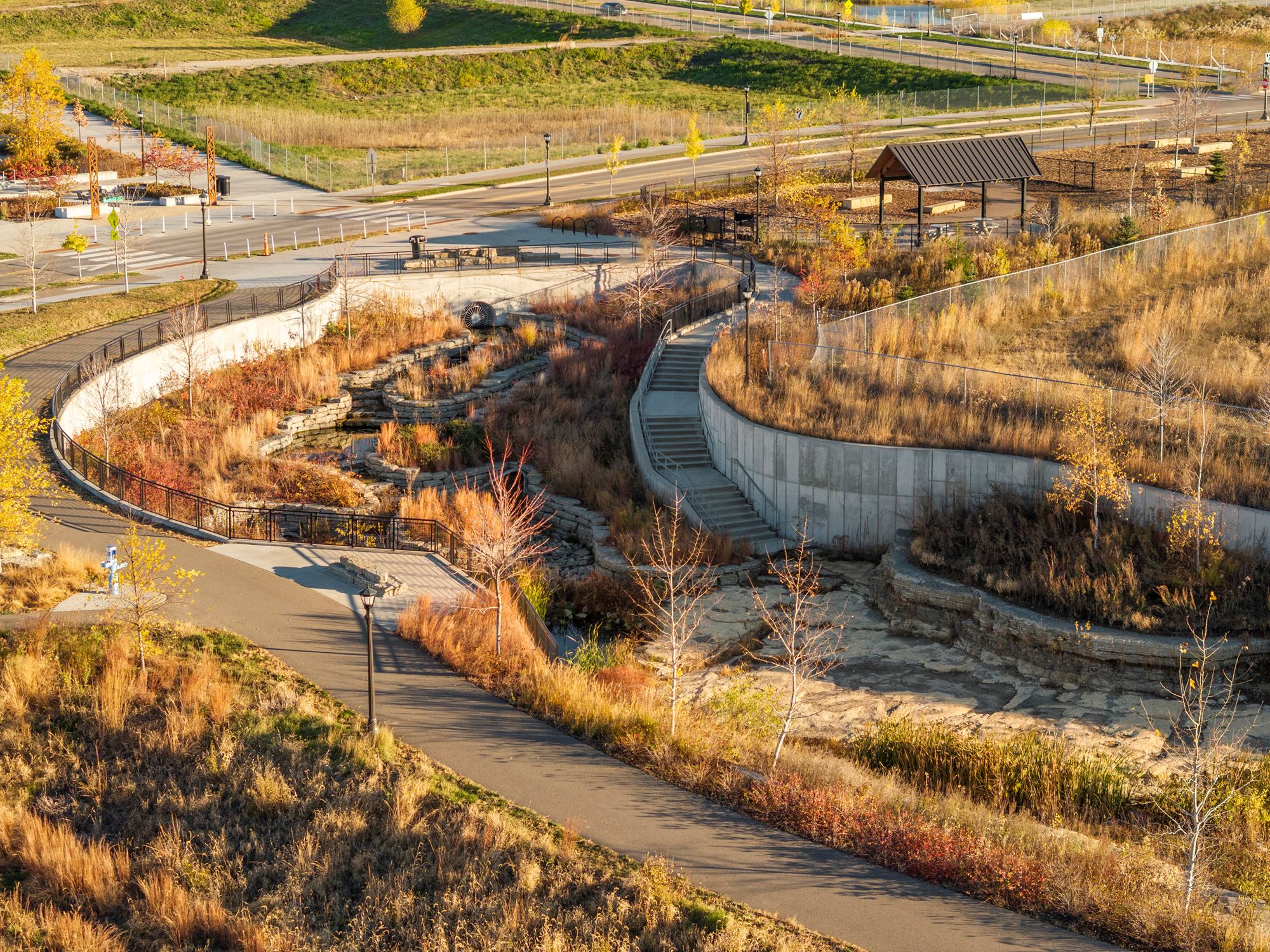
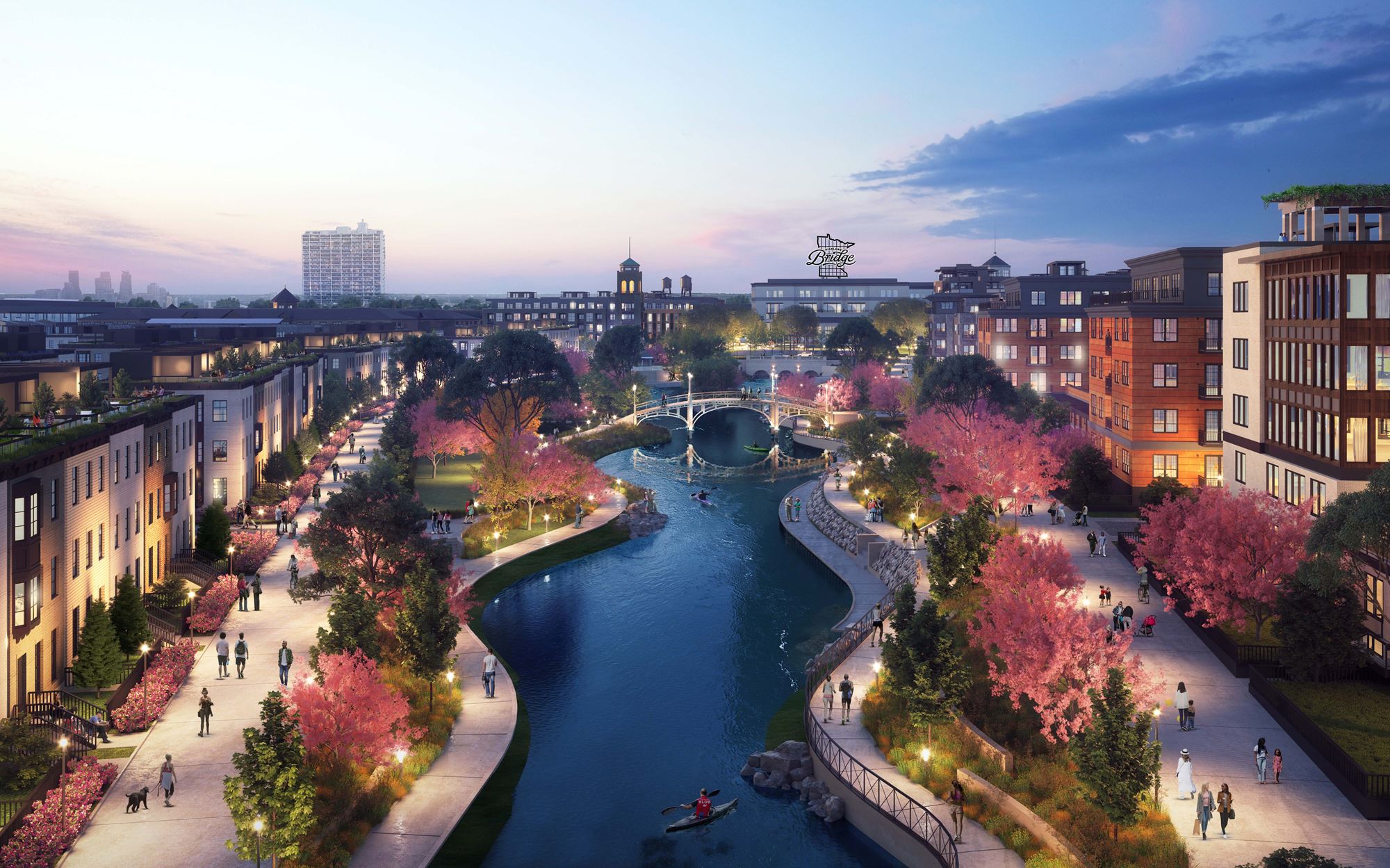
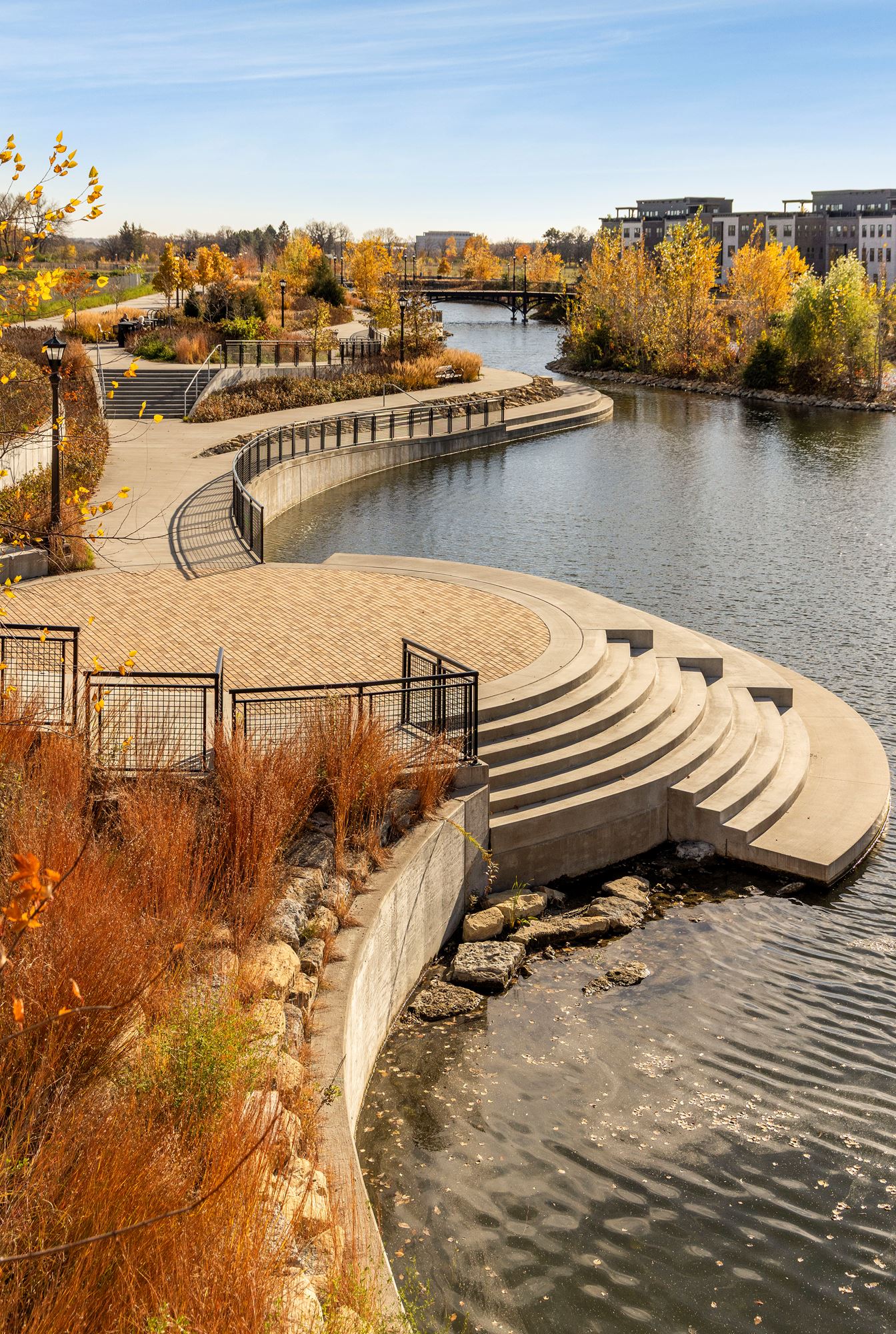
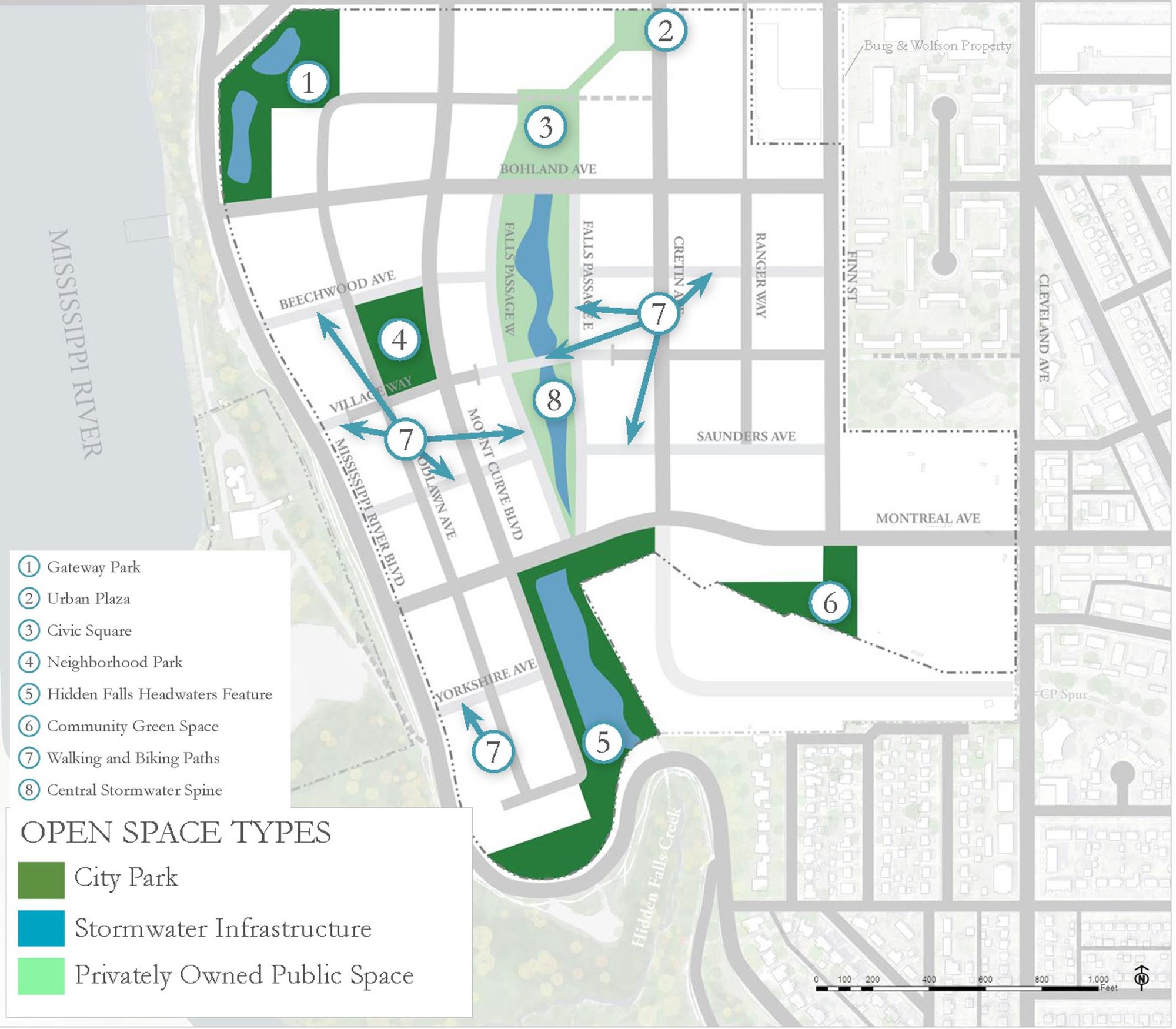
Highland Bridge transformed the former Ford Assembly Plant site by repairing the relationship between land and water. Hidden Falls Creek was buried beneath the plant in 1925; runoff flowed toward the Mississippi untreated for decades. Redevelopment began with the removal of more than 440,000 cubic yards of contaminated soil. Water and public space then became the framework for a 122-acre district with more than 55 acres of public space, 10 miles of pedestrian and bicycle routes, and 3,800 homes.
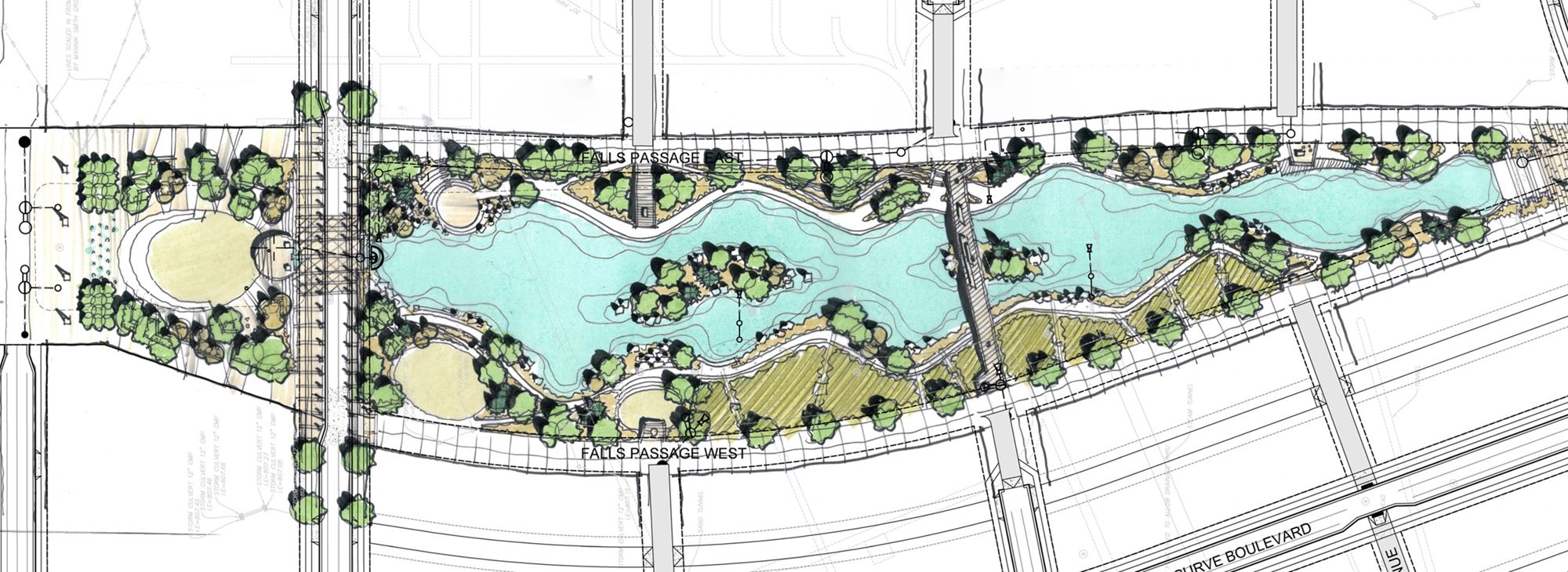
Confluence led the design of the parks, plazas, open spaces, and green infrastructure, working with the project’s engineering and watershed partners to create a functioning river ecology on the bluff above the Mississippi River. A district-scale stormwater system captures runoff, filters pollutants, stores water, and controls its release through five biofiltration basins, two rate-control ponds, and five underground storage and filtration systems. The system treats approximately 64 million gallons each year.
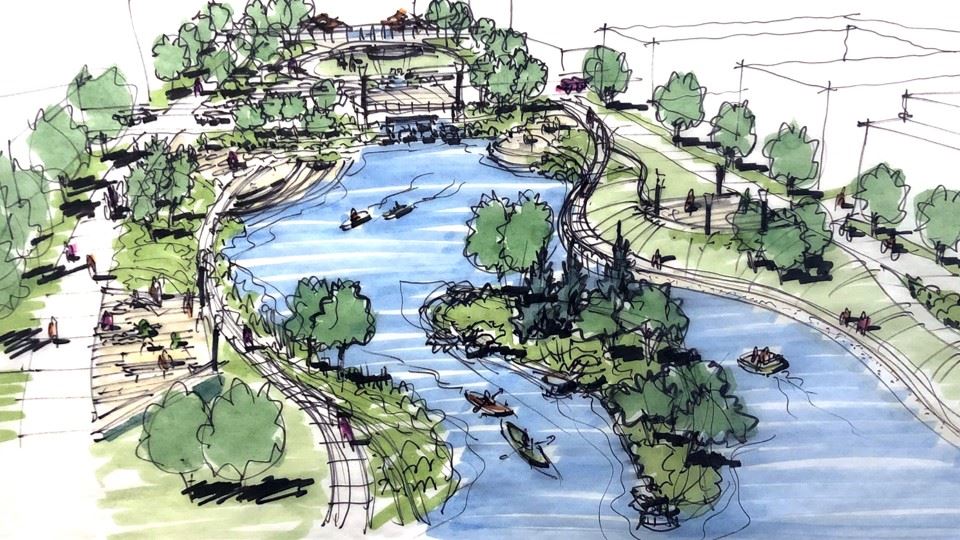
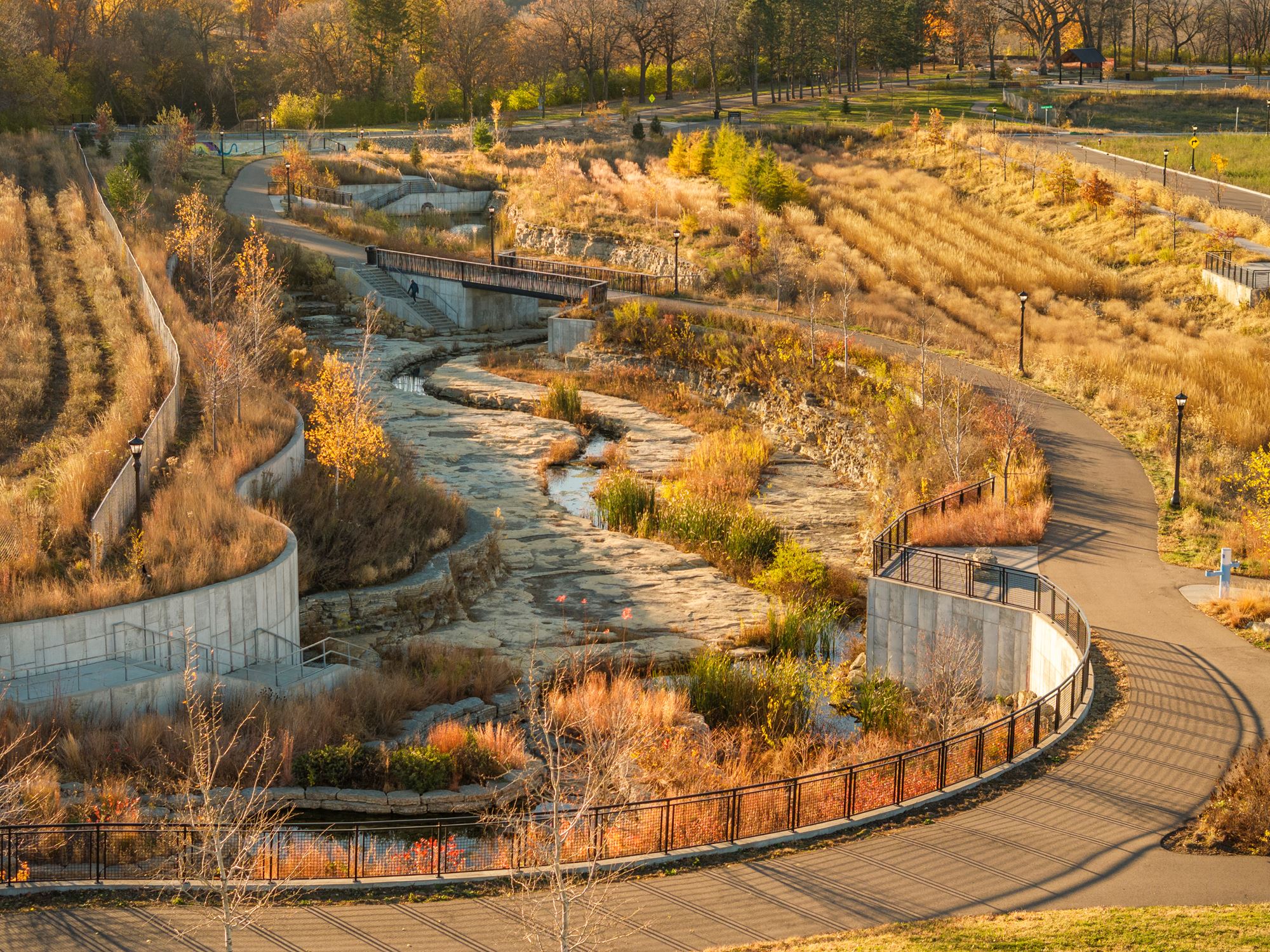
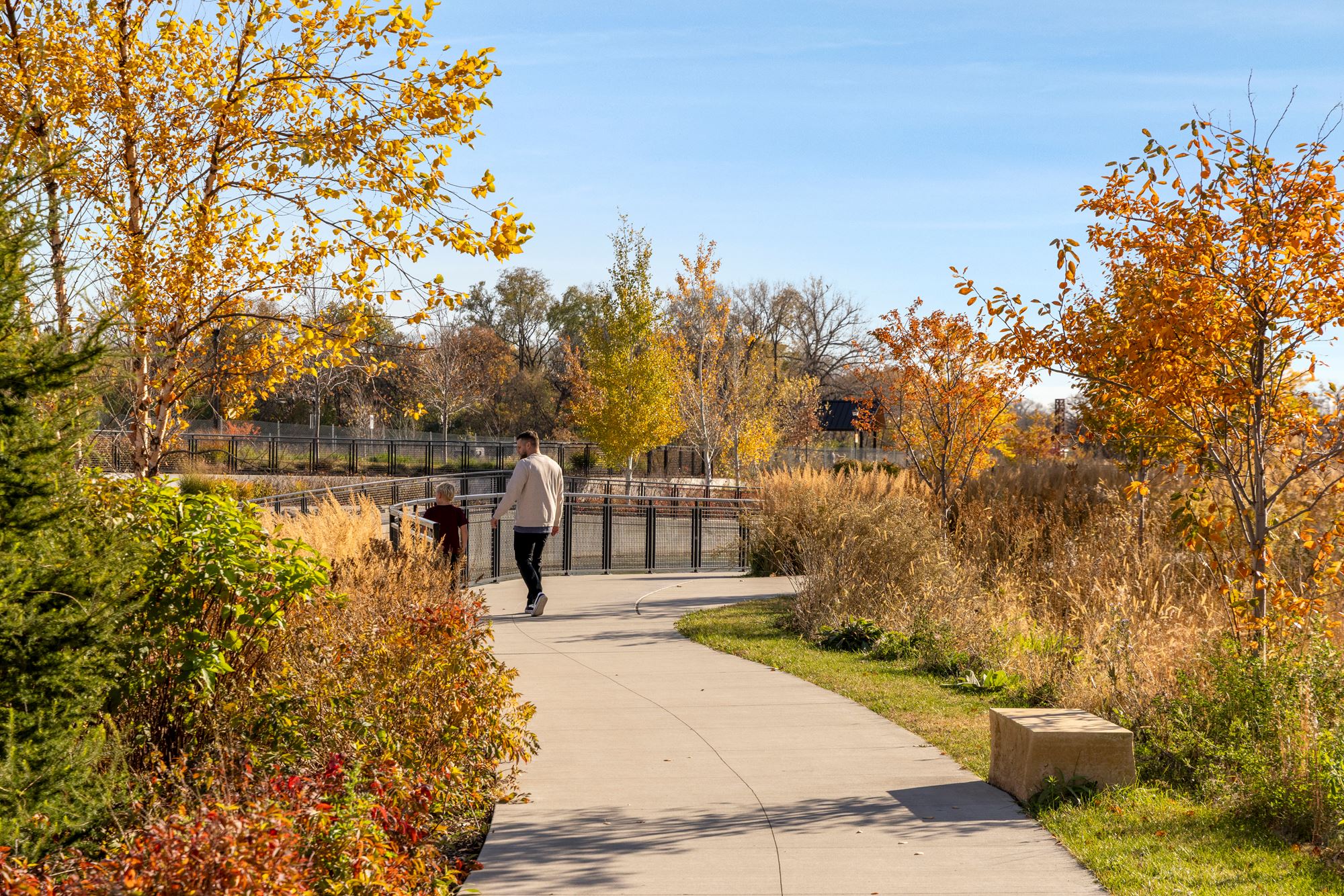
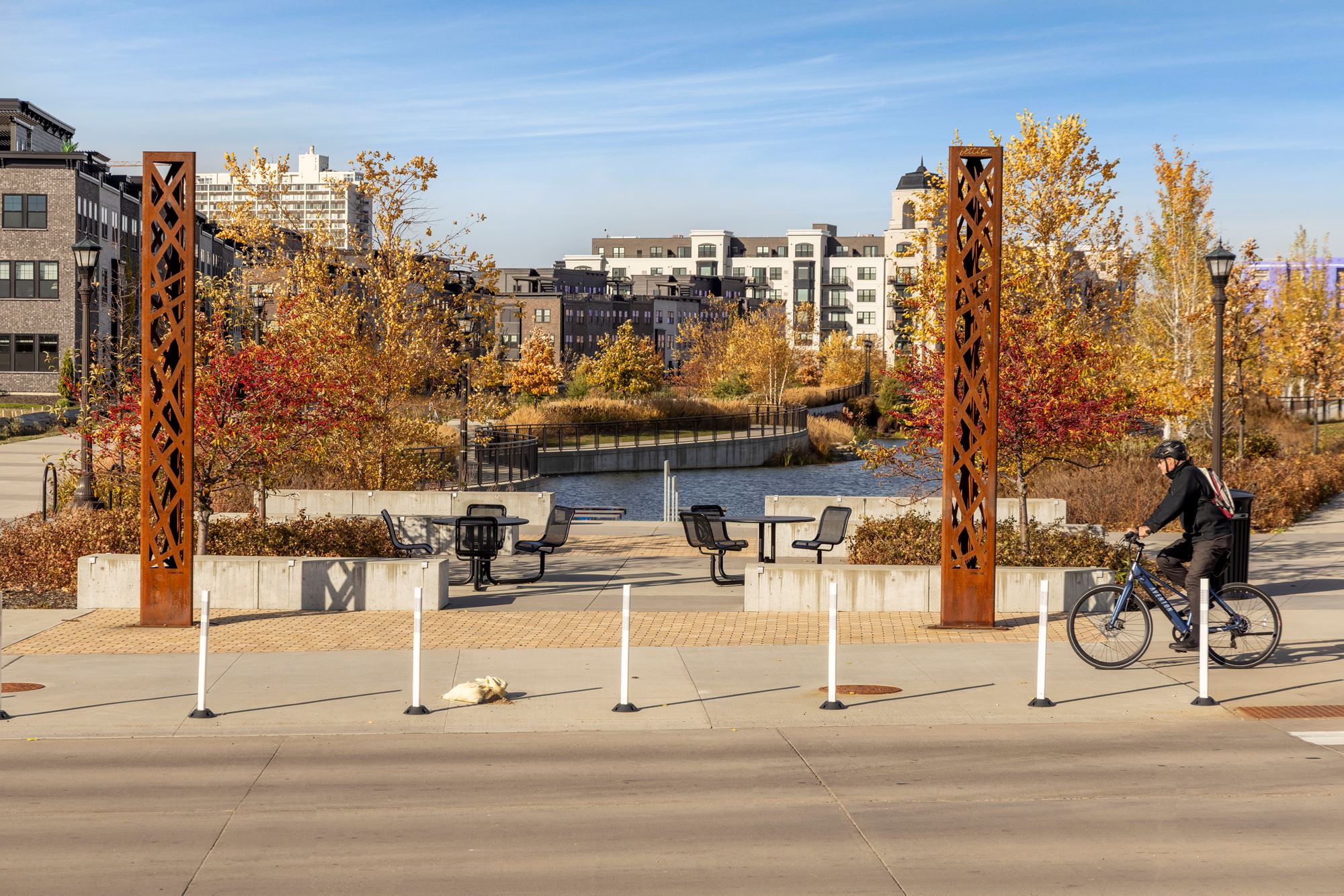
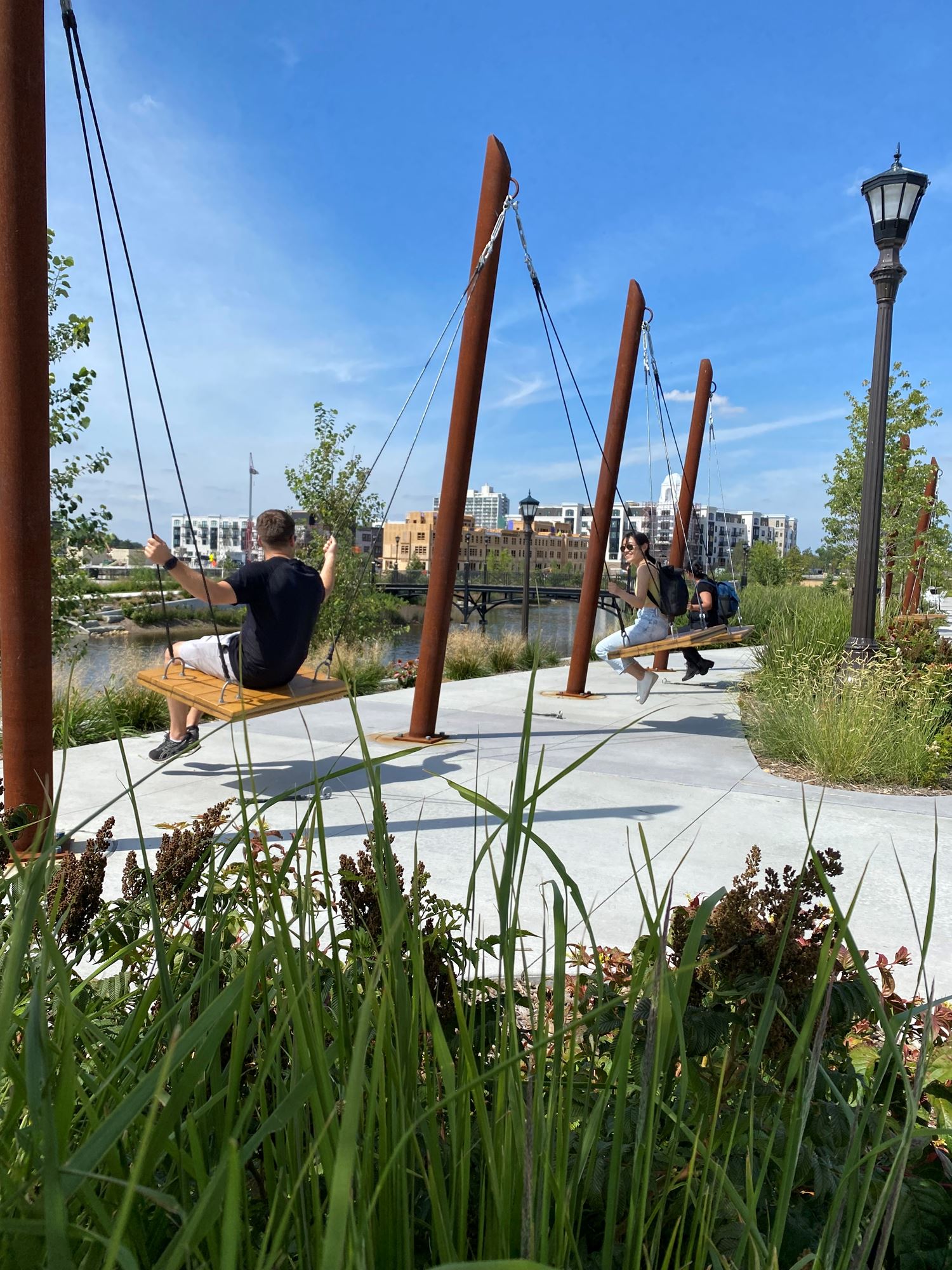
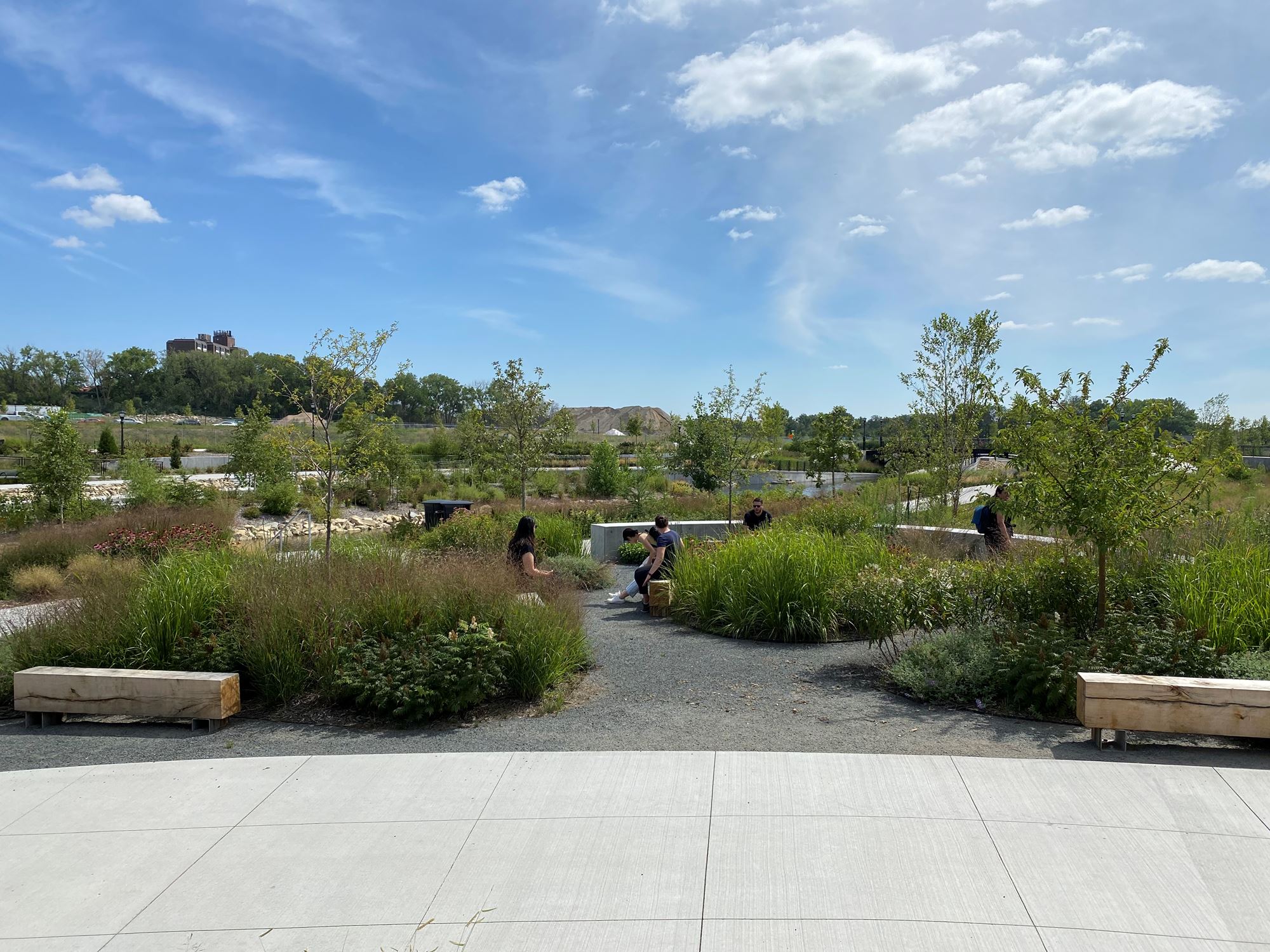
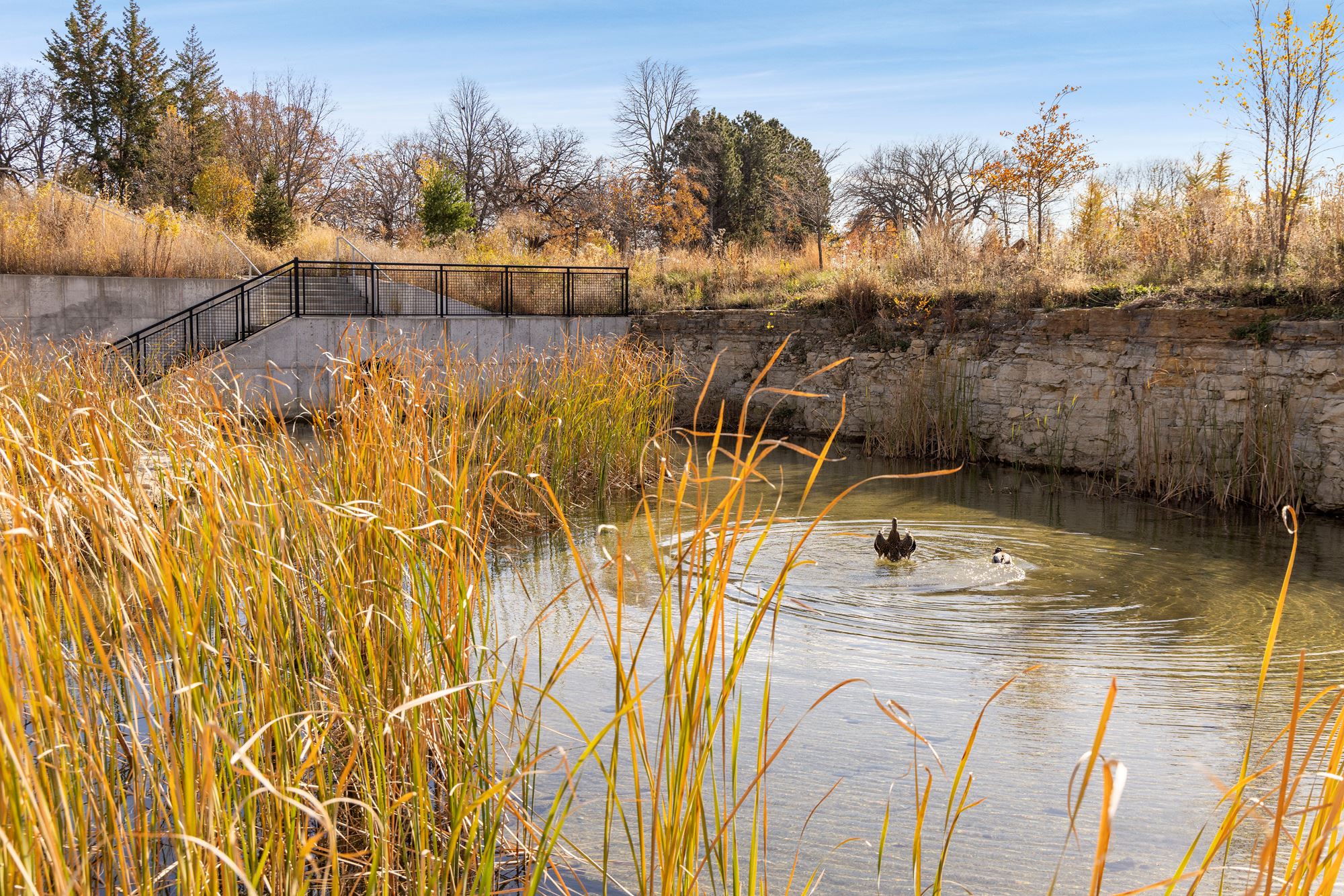
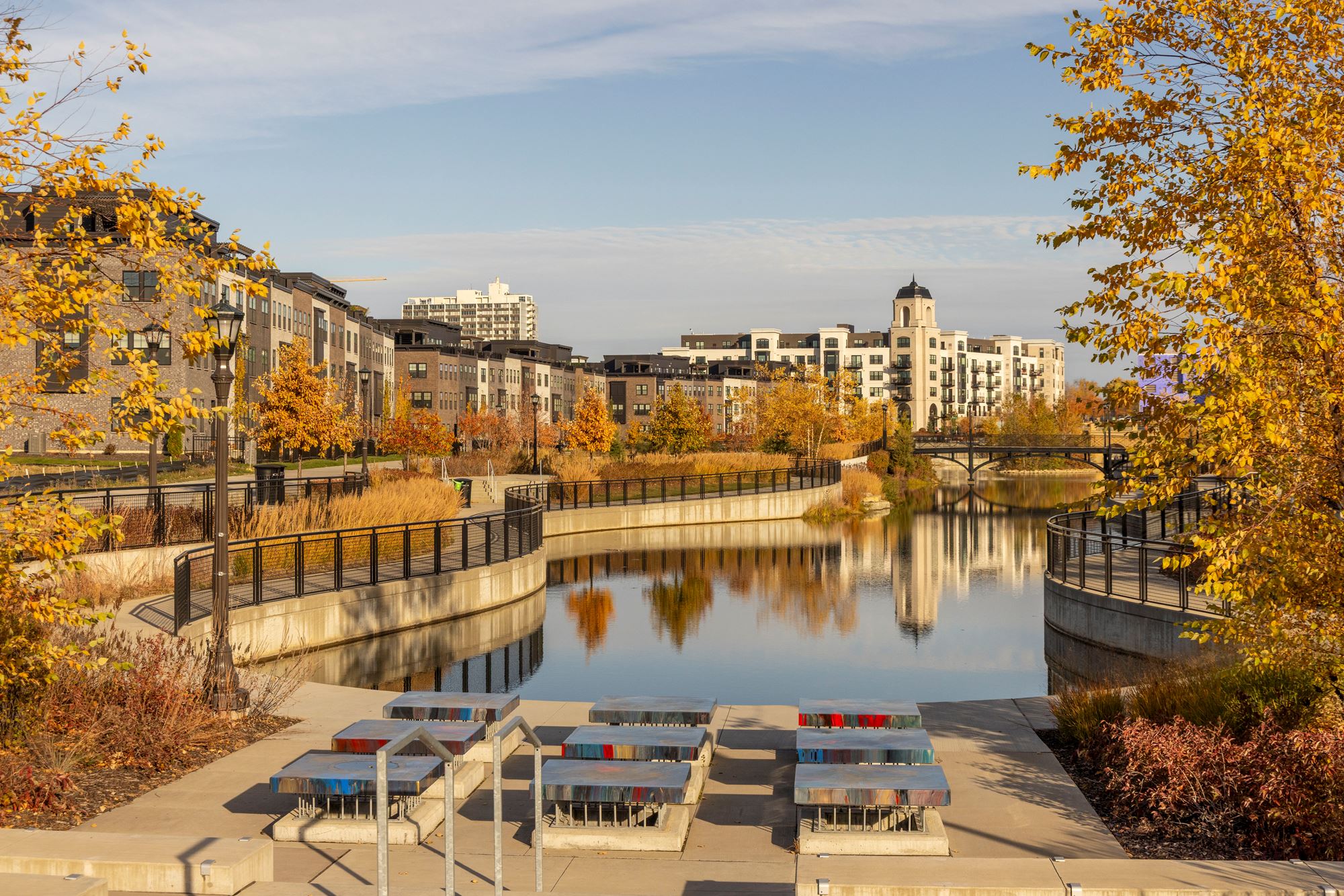
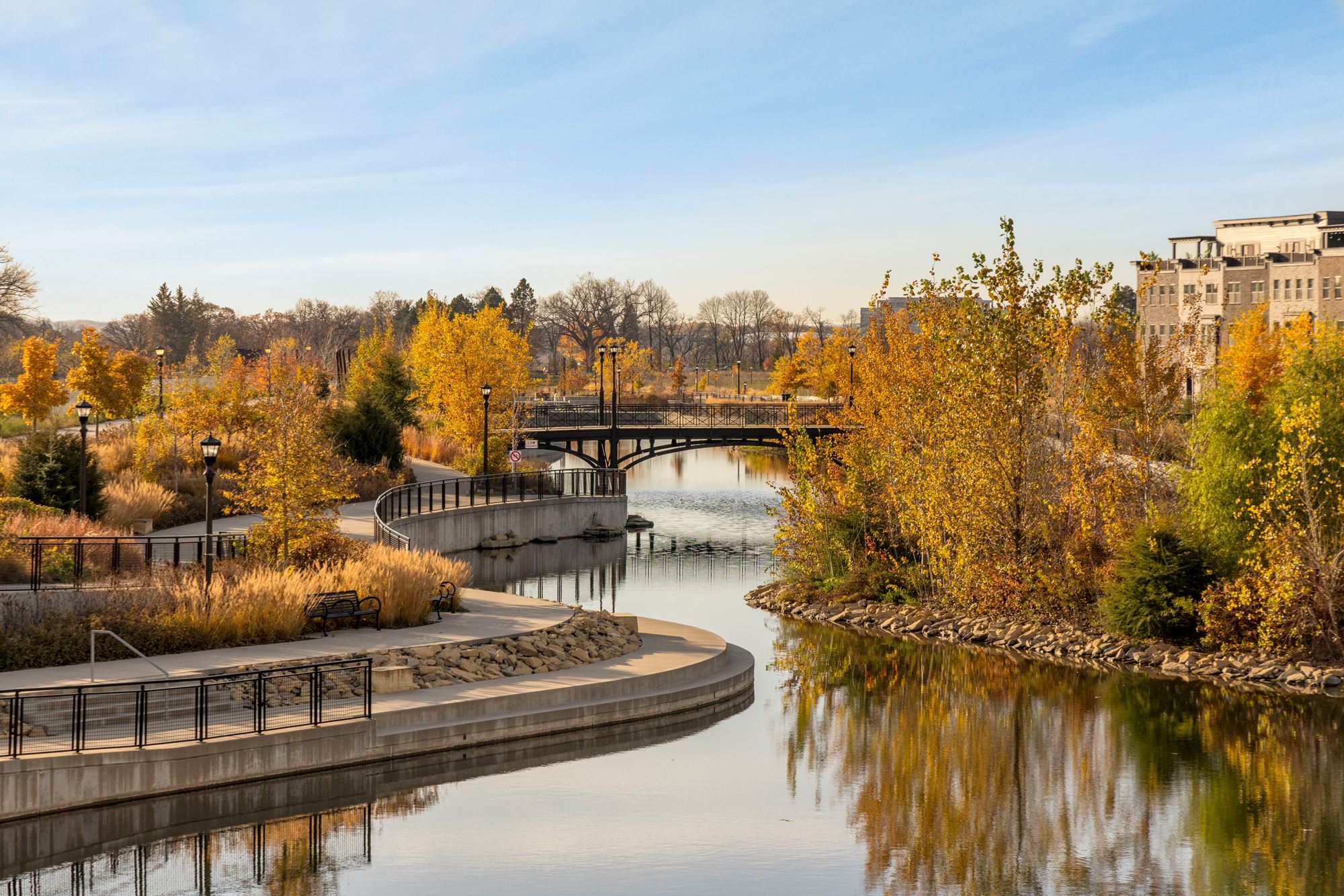
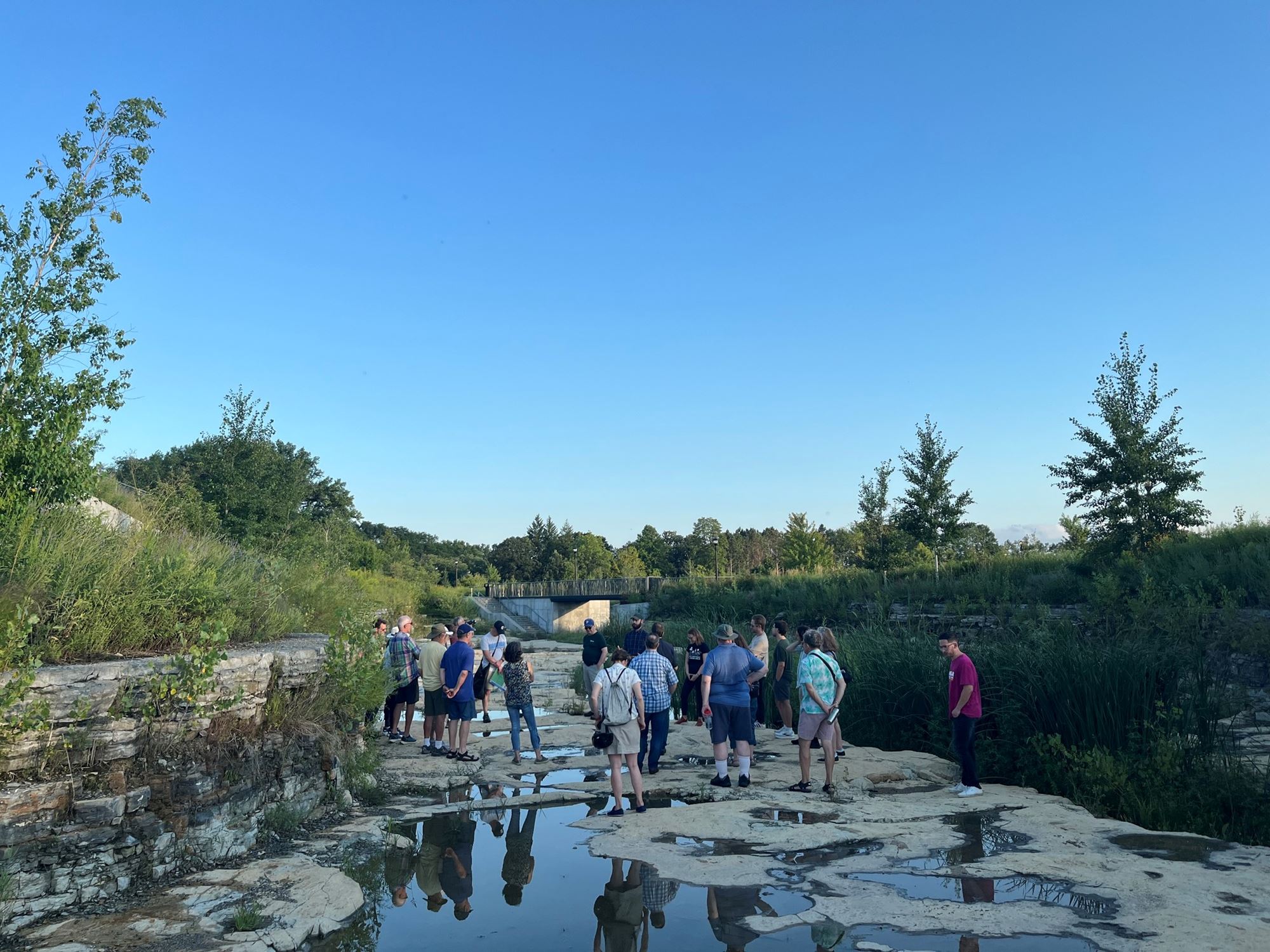
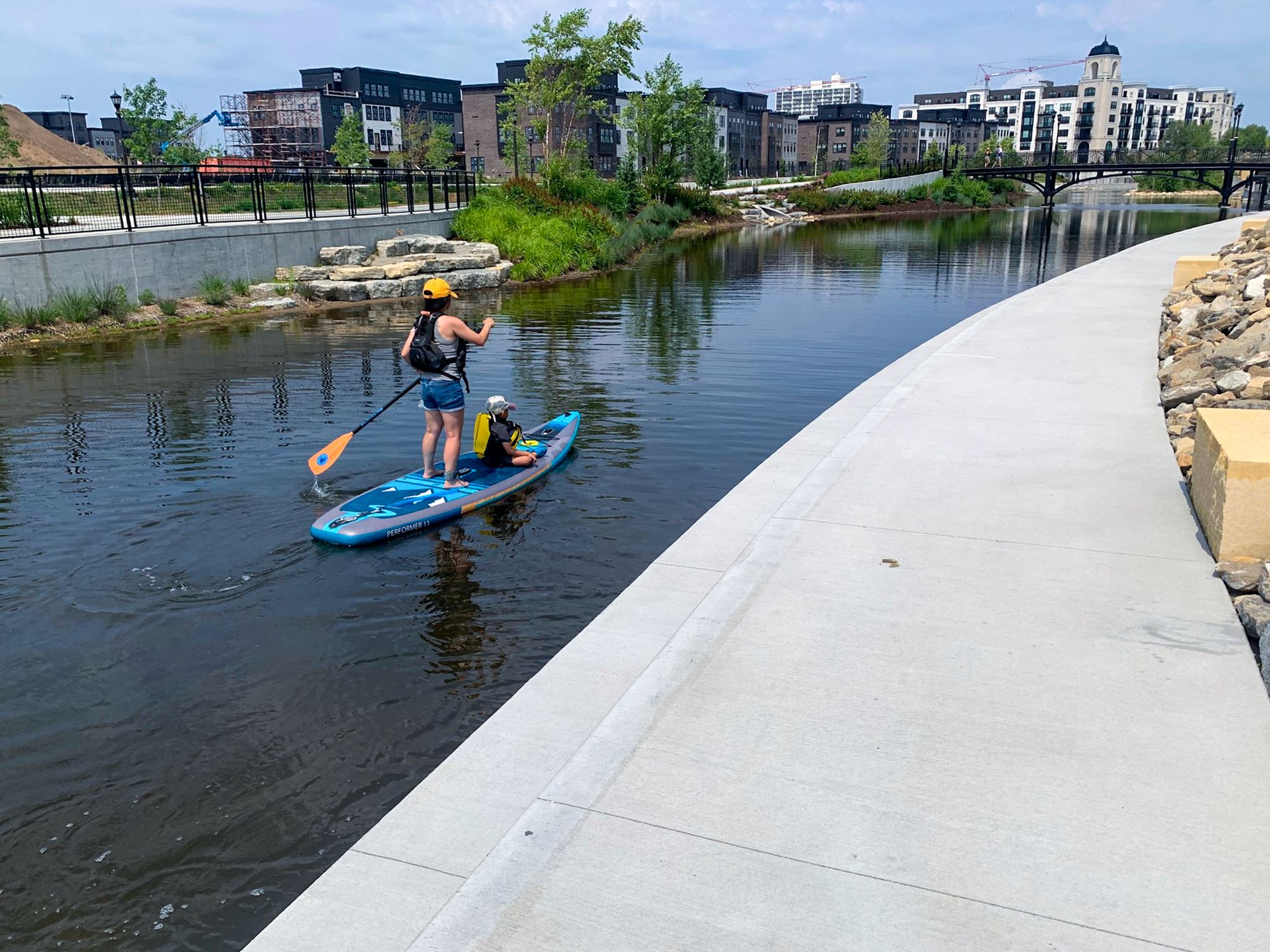
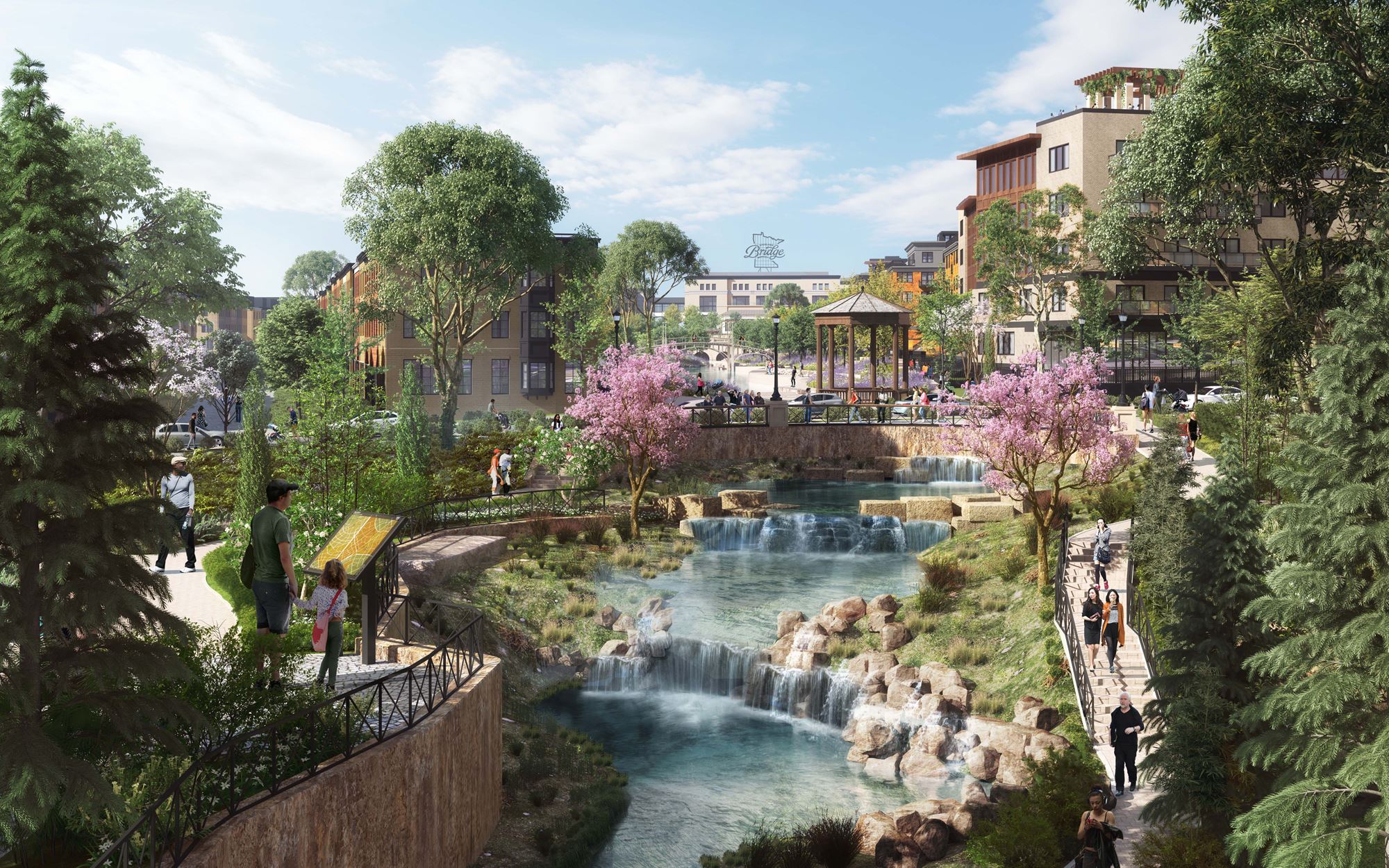
At the surface, that river ecology becomes the public landscape. Treated water gathers in the central feature, moving around an island and beneath pedestrian bridges where people kayak in summer and skate in winter. From there, the daylighted Hidden Falls Creek winds through native planting and groves of trees, with paths and gathering spaces along its banks. Farther downstream, sculptural overflow structures inspired by Fordite, the colorful layers of hardened automotive paint built up during decades of automobile production, turn necessary infrastructure into a visible trace of the site’s industrial history. At Uŋči Makhá Park, the landscape becomes more rugged. A limestone ravine provides room for water during larger storms and reveals the bedrock, groundwater, and fossils beneath the site. Limestone removed during excavation was reused in walls and landscape edges throughout the development, carrying the material character of the ravine into the larger public realm.
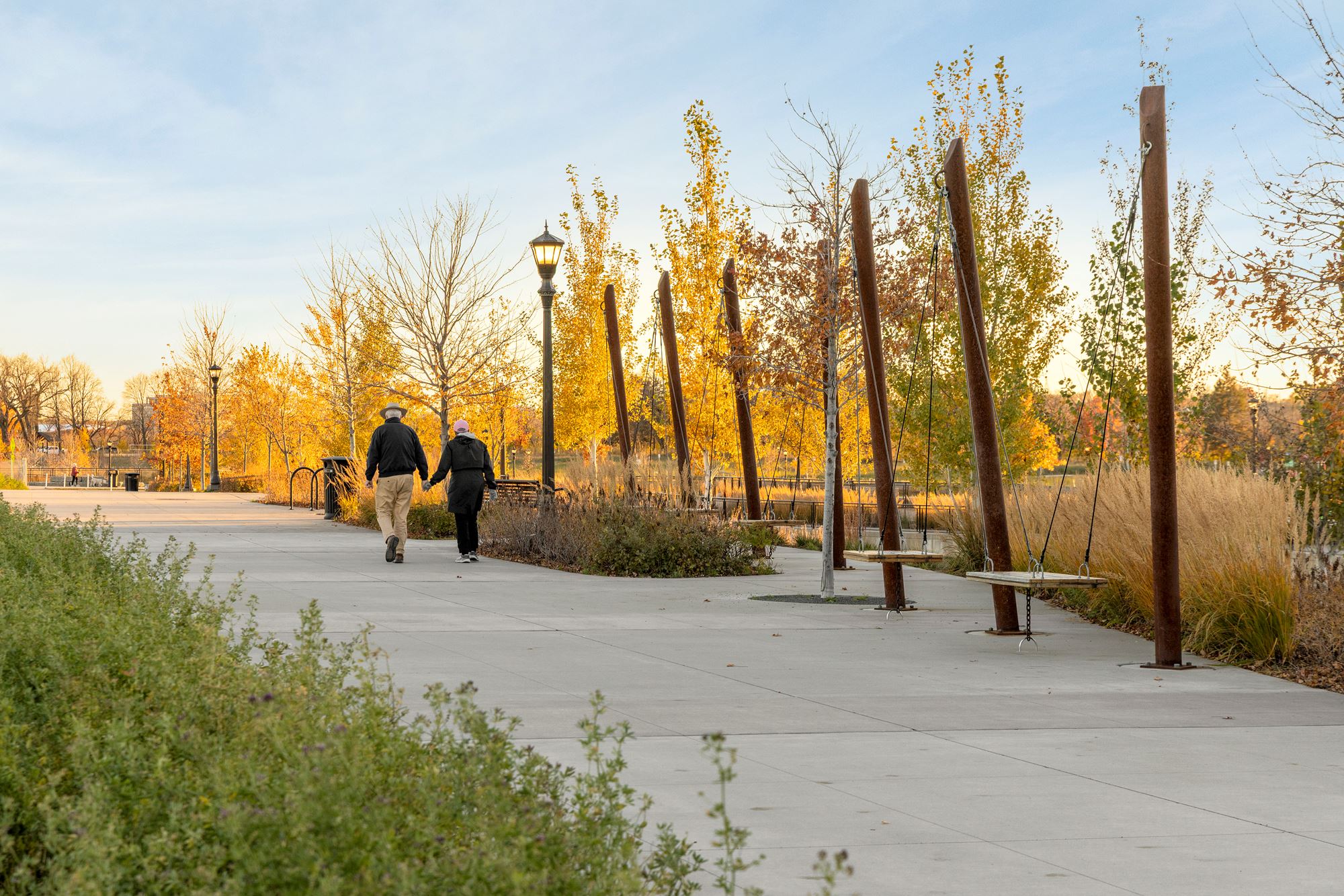
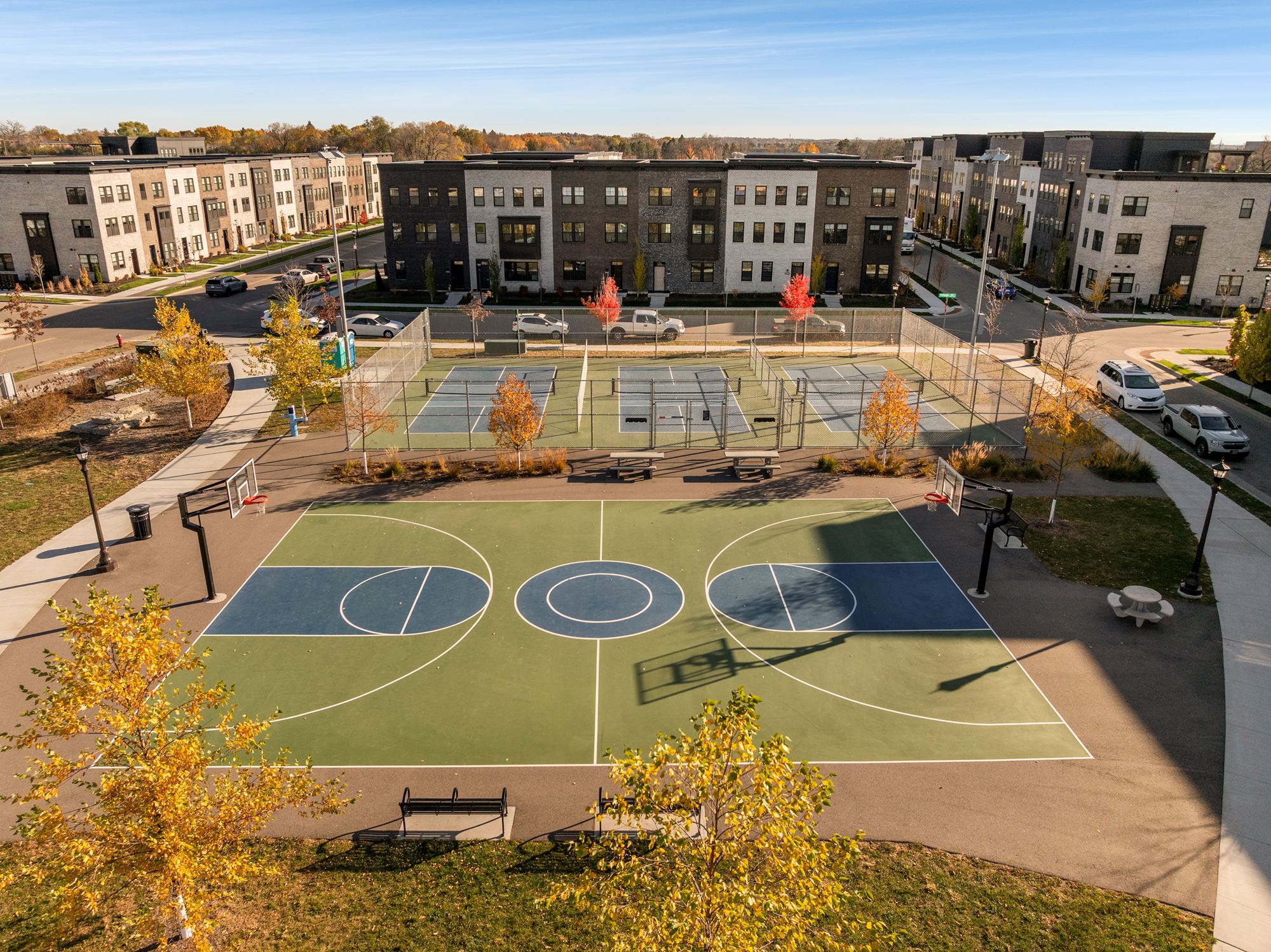
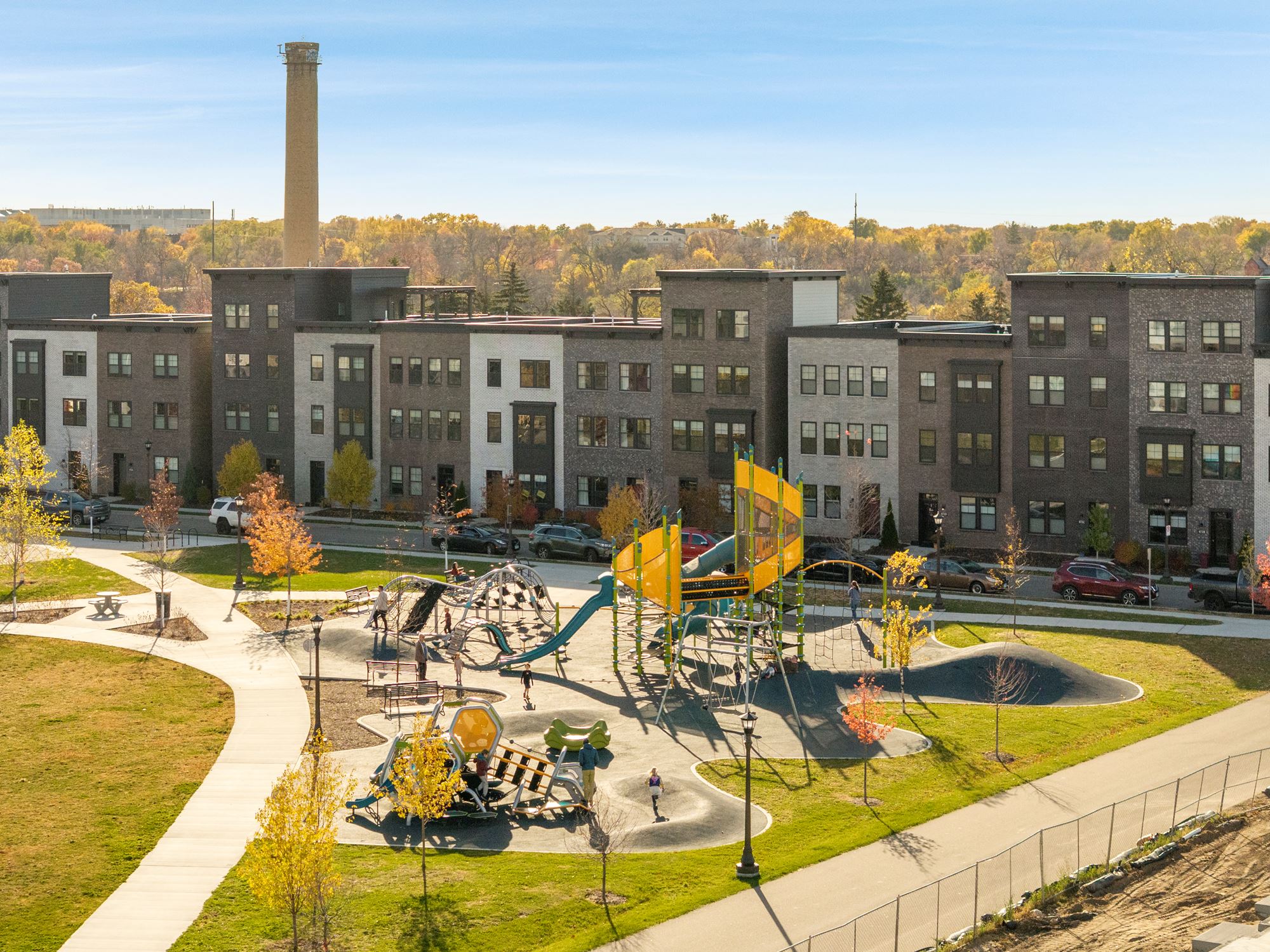
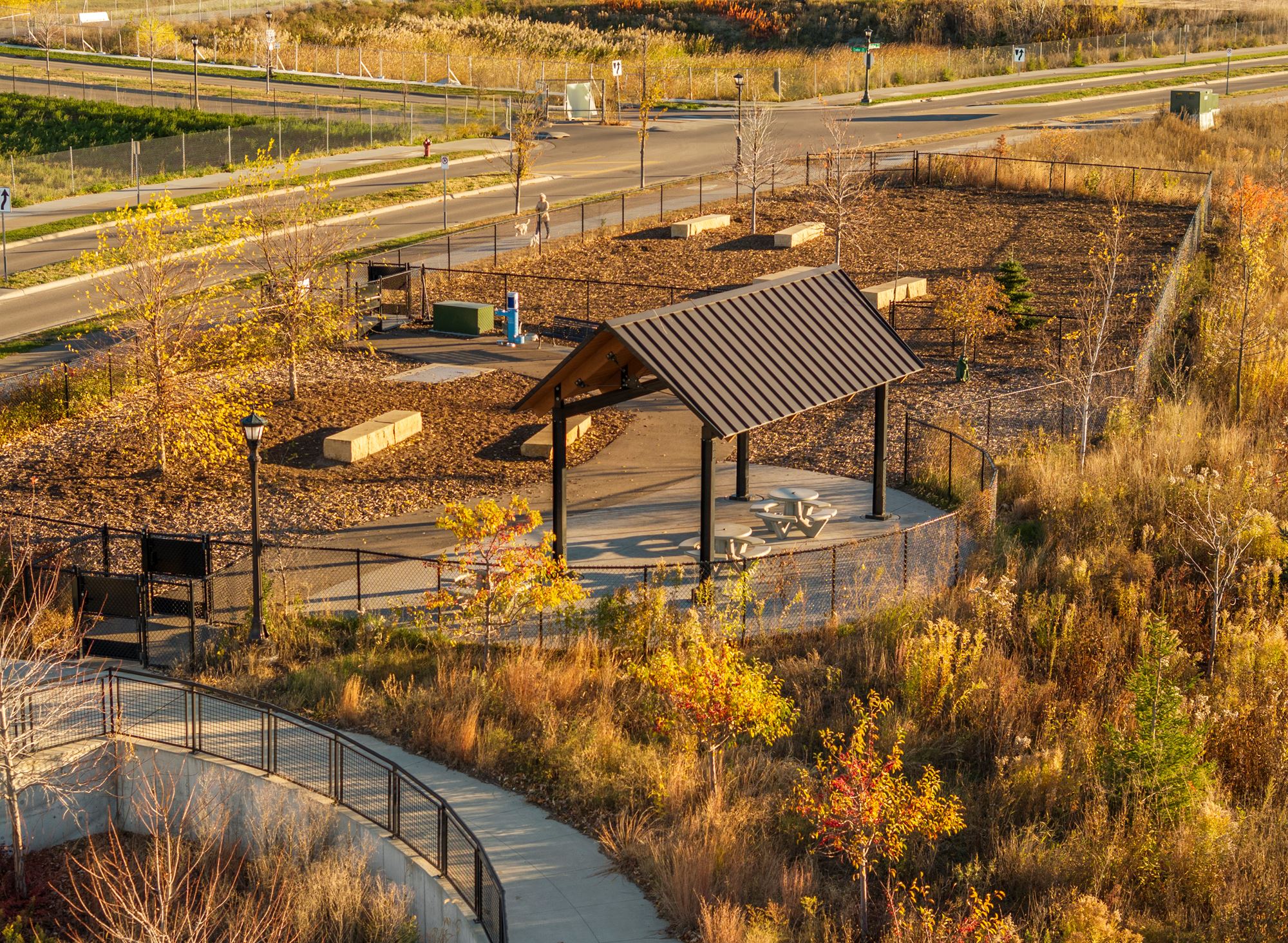
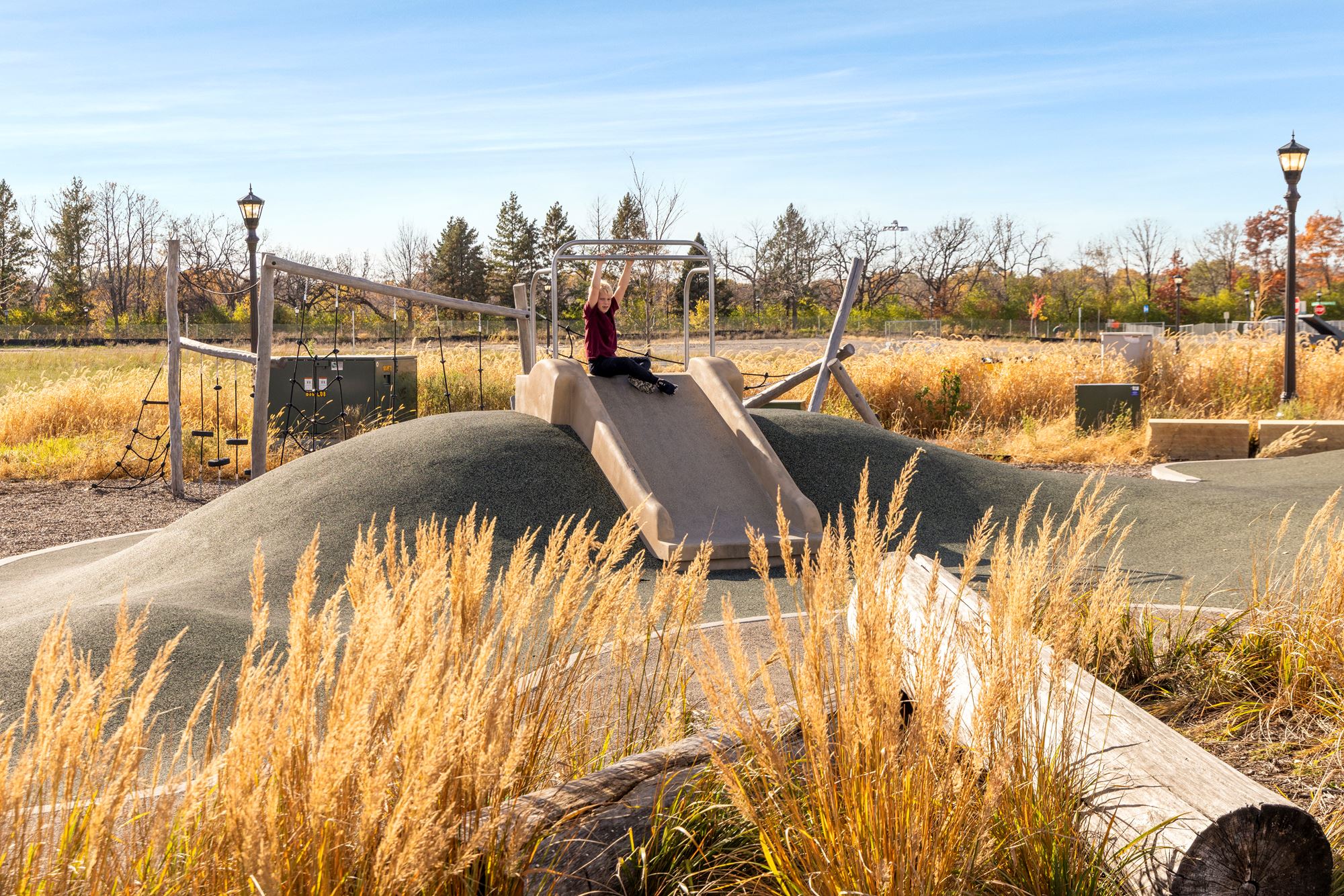
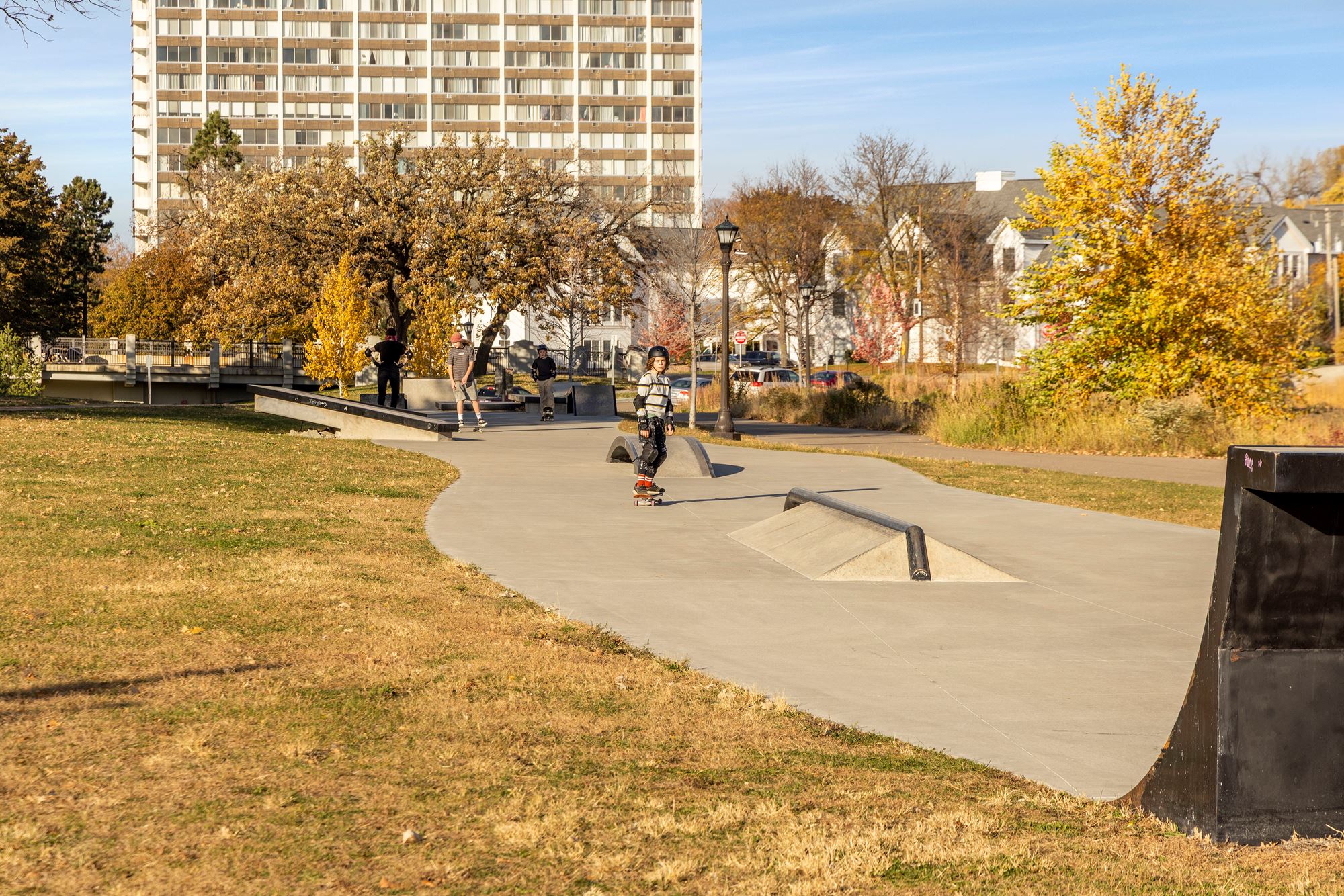
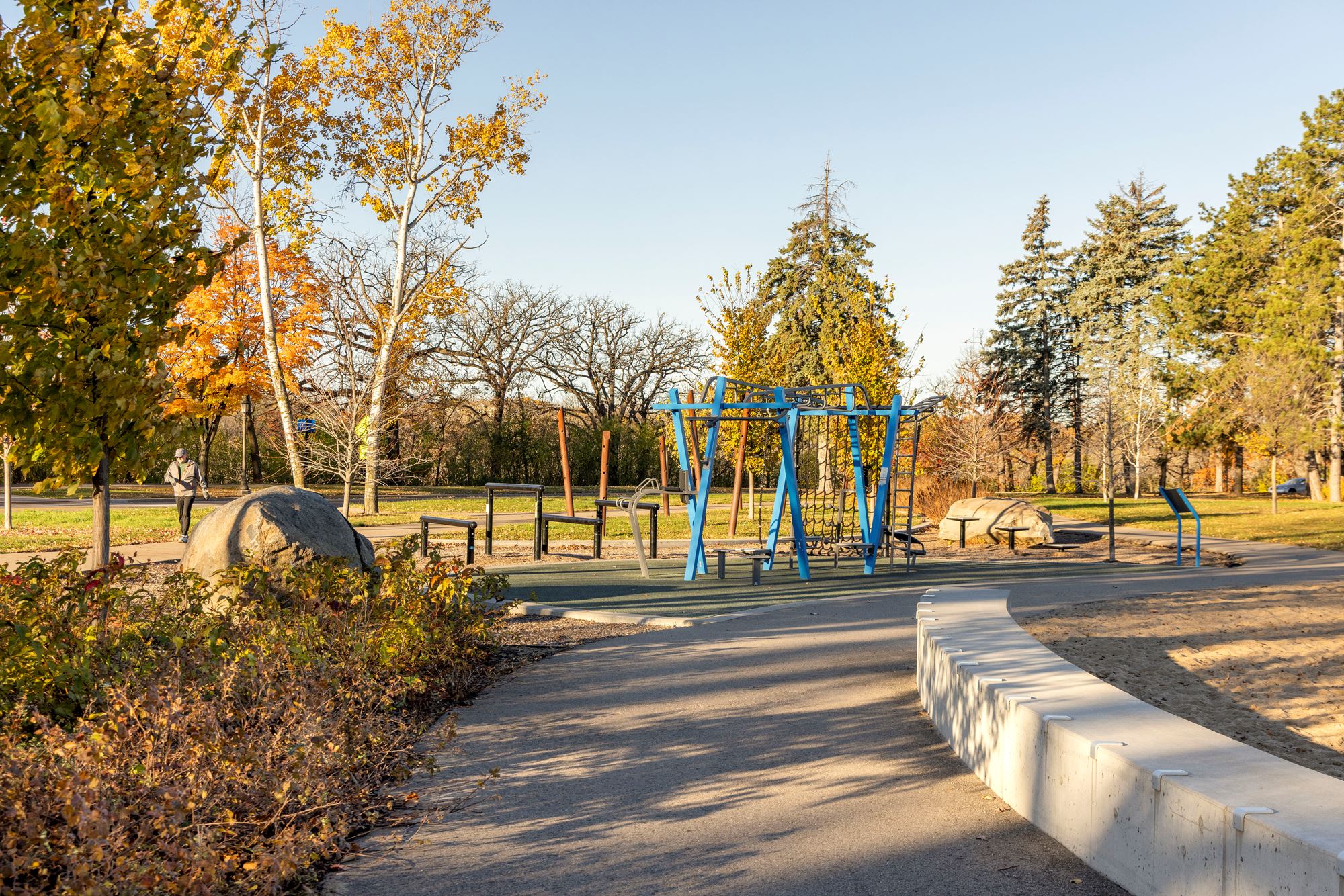
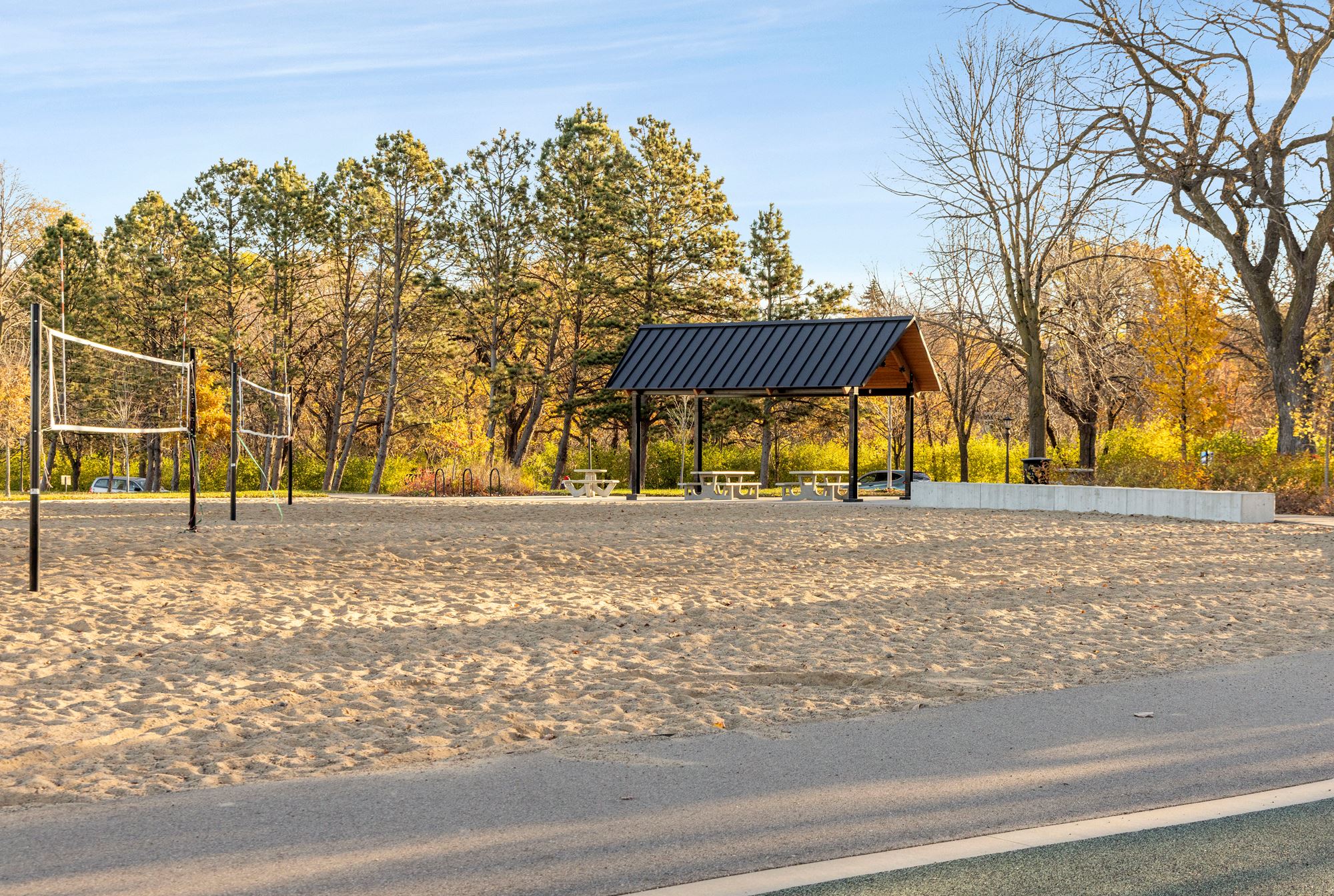
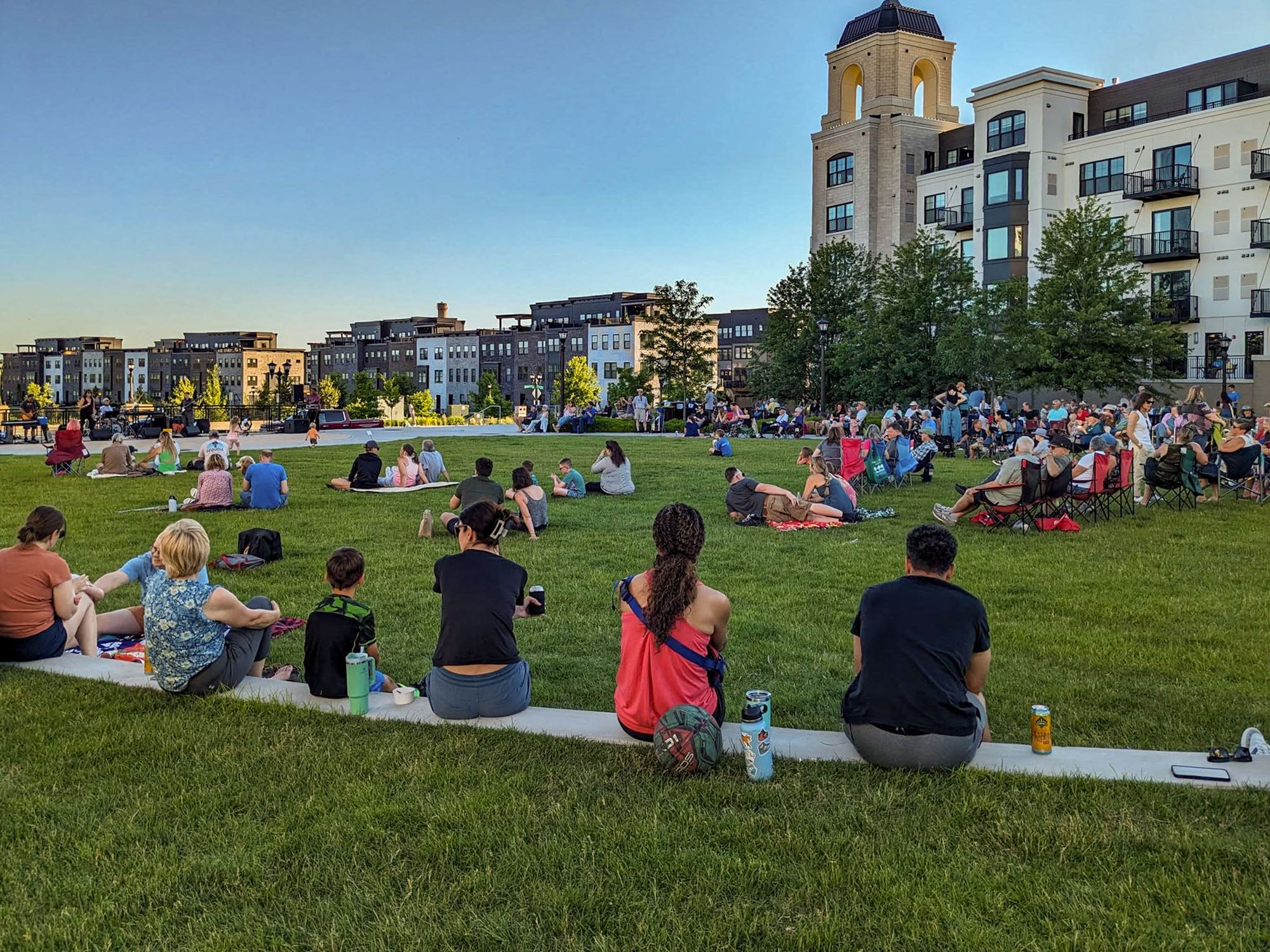
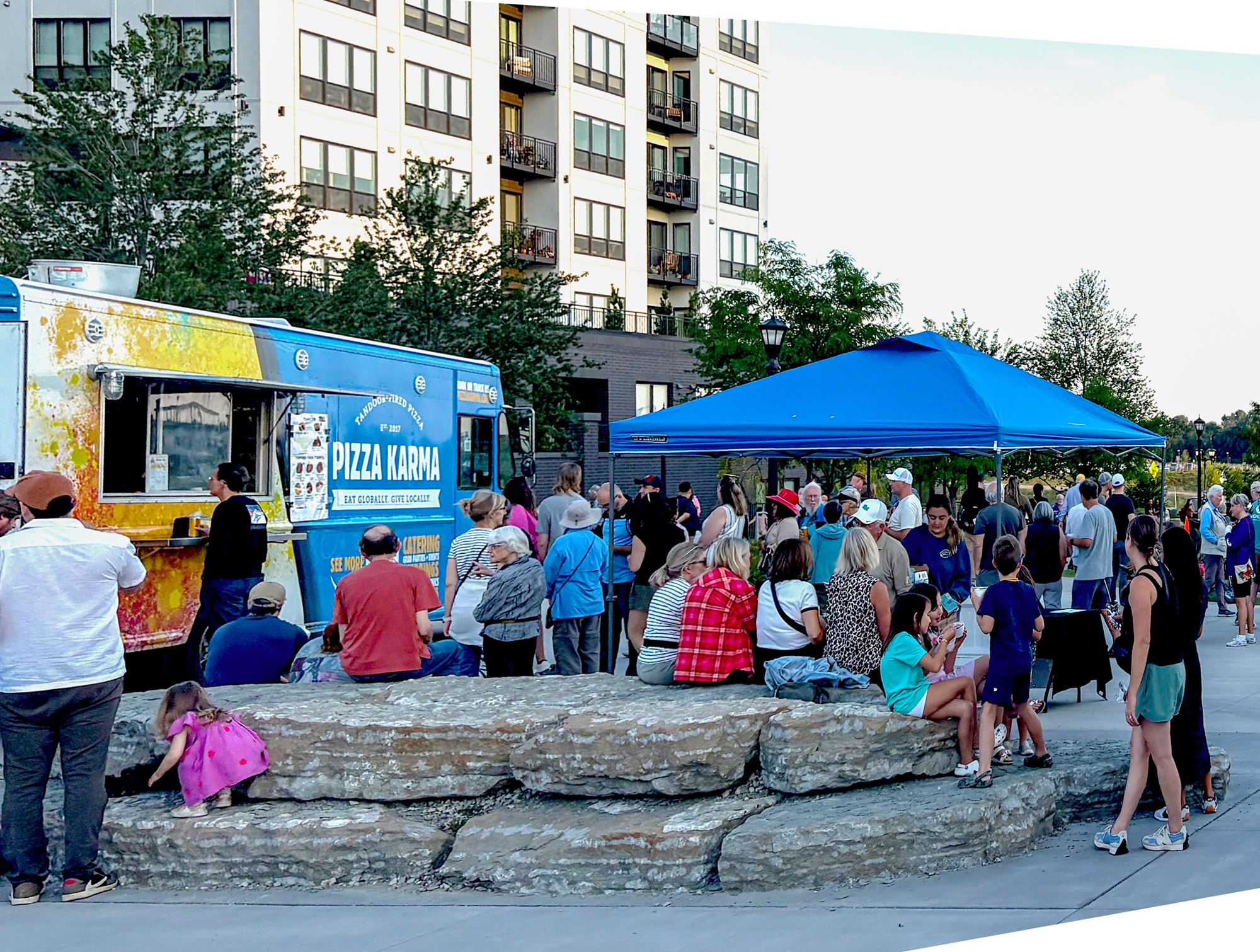
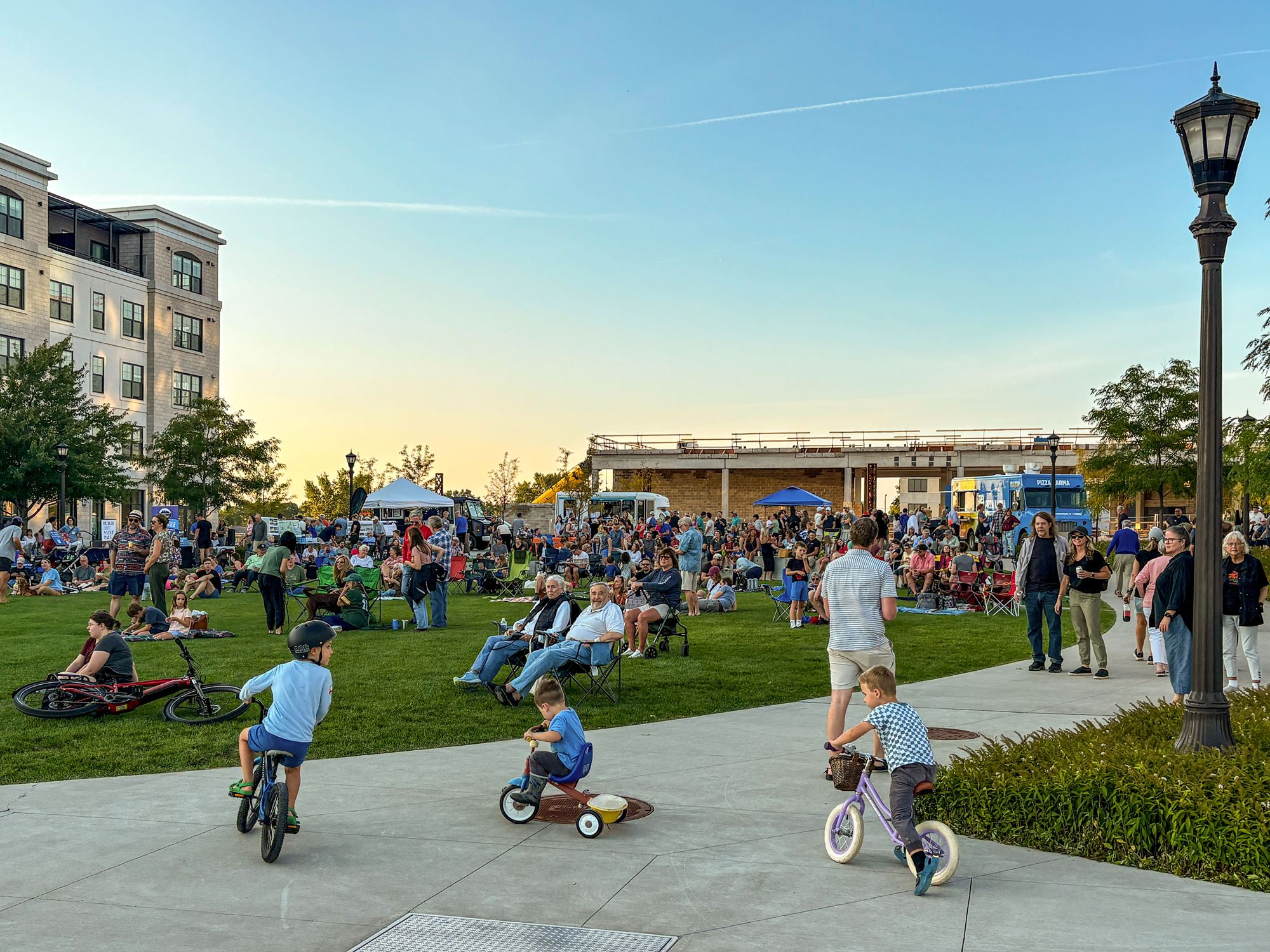
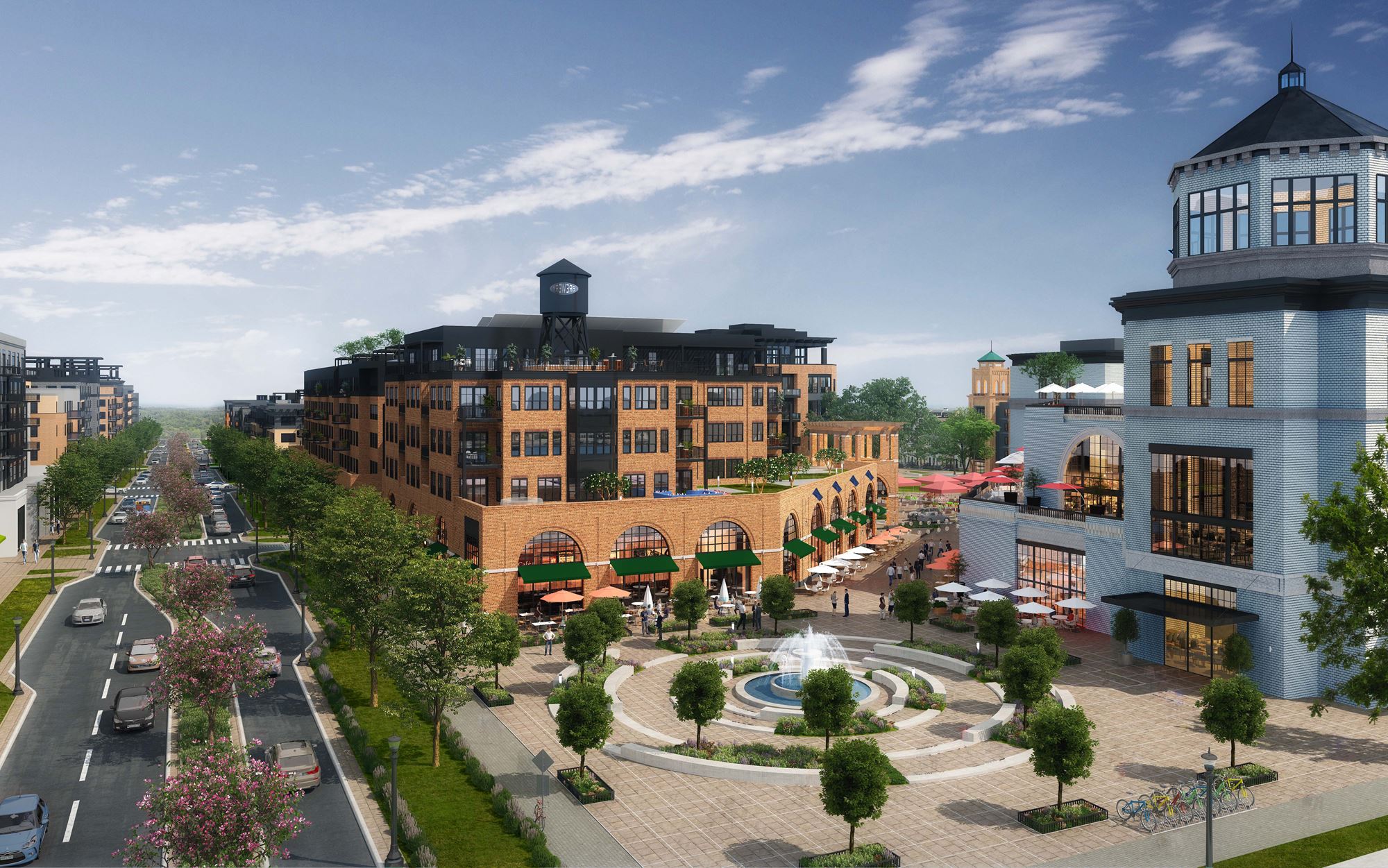
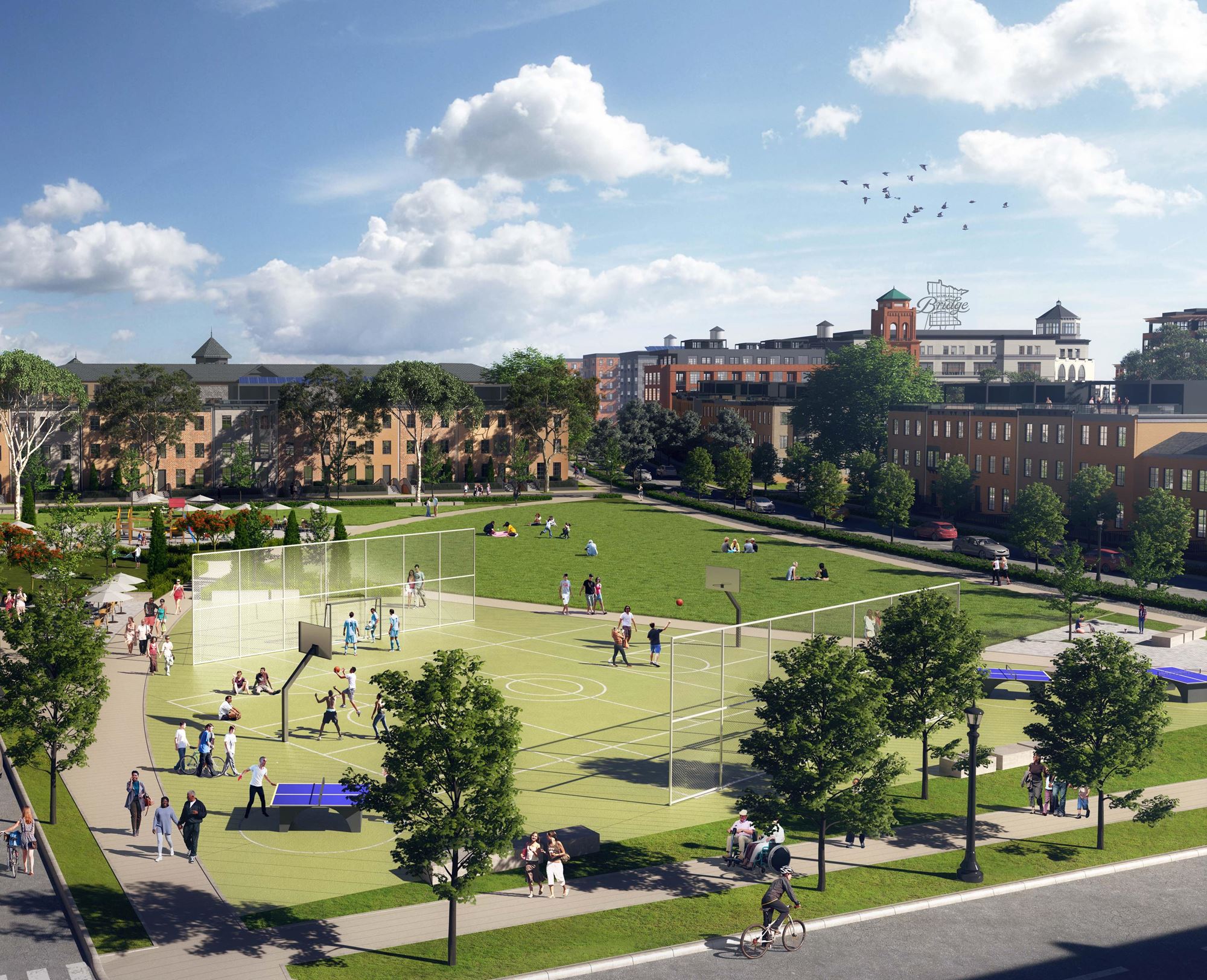
Three distinct parks form a community park system for Highland Bridge and surrounding neighborhoods. Across the larger public realm, flexible spaces accommodate everyday gathering, recreation, celebrations, and events. Accessible paths connect the parks and public spaces with transit, regional bicycle routes, nearby neighborhoods, Hidden Falls Park, and the Mississippi River. Drawing on the bluff’s geology and the industrial history of the Ford site, the landscape gives the new district a character rooted in what came before. Where the Ford plant buried the creek and closed the bluff to public life, Highland Bridge restores the movement of water across the landscape and opens the site to the city.
Related Work
 Project
Burnham Nature Sanctuary
Project
Burnham Nature Sanctuary
 Project
The British School at Roosevelt Collection
Project
The British School at Roosevelt Collection
 Project
World Garden Commons at Rabanus Park
Project
World Garden Commons at Rabanus Park
 Project
Cedar Rapids Greenway Parks
Project
Cedar Rapids Greenway Parks
 Project
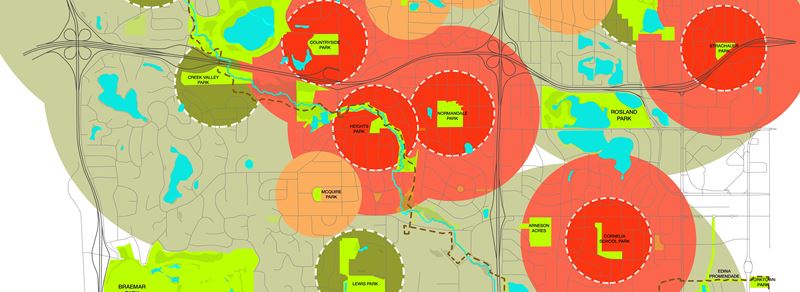
Edina Parks, Recreation and Trails System Master Plan
Project
Edina Parks, Recreation and Trails System Master Plan
 Project
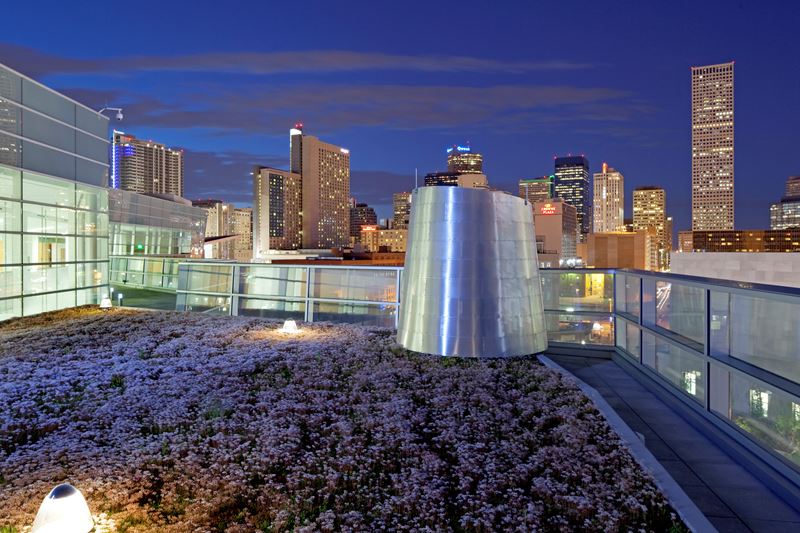
Denver Justice Center: Green Roof
Project
Denver Justice Center: Green Roof
 Project
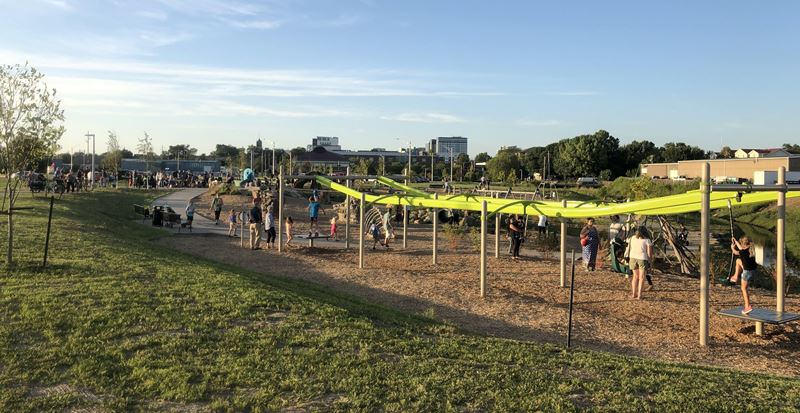
Riverfront Crossings Park
Project
Riverfront Crossings Park
 Project
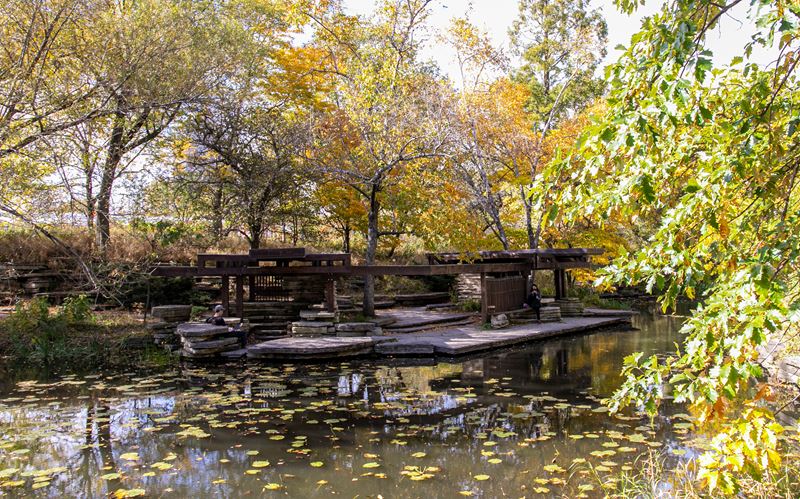
Alfred Caldwell Lily Pool Rehabilitation
Project
Alfred Caldwell Lily Pool Rehabilitation
 Project
Gallery Park
Project
Gallery Park
 Project
Cedar Niles Park
Project
Cedar Niles Park
 Project
Fred Richards Eco-Park: Master Plan
Project
Fred Richards Eco-Park: Master Plan
 Project
ReLeaf Cedar Rapids
Project
ReLeaf Cedar Rapids
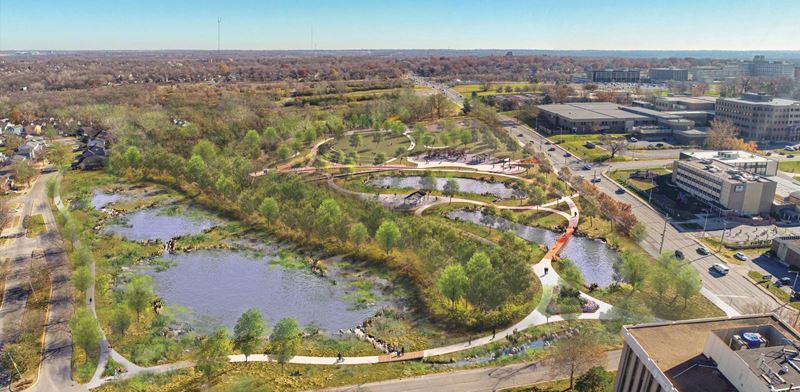 Project
Daniel Morgan Boone Park / Turkey Creek Watershed Green Infrastructure Initiative
Project
Daniel Morgan Boone Park / Turkey Creek Watershed Green Infrastructure Initiative
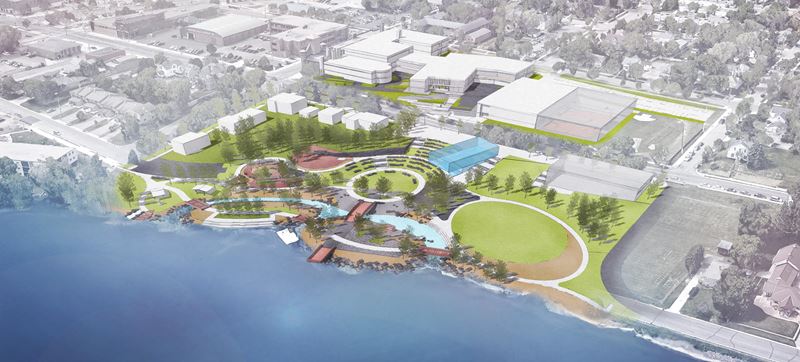 Project
St. Cloud RiverWalk: Master Plan
Project
St. Cloud RiverWalk: Master Plan
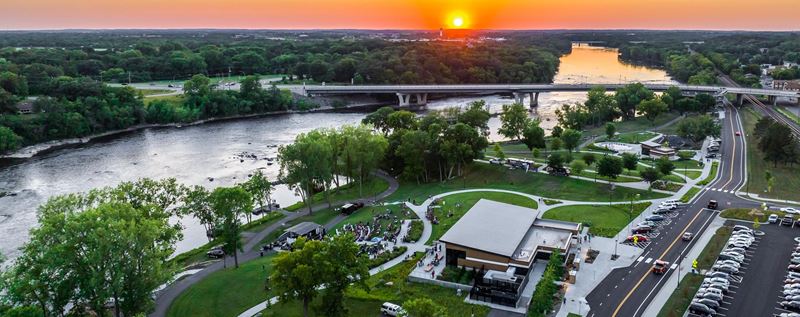 Project
Sauk Rapids Riverfront Park: Master Plan + Implementation
Project
Sauk Rapids Riverfront Park: Master Plan + Implementation
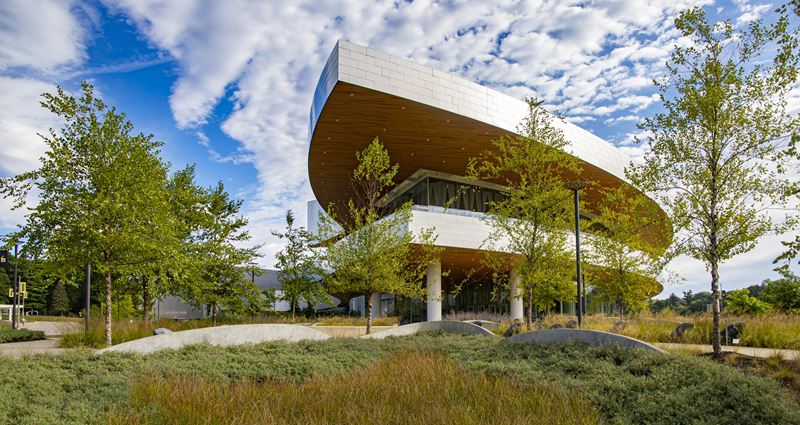 Project
University of Iowa: Hancher Auditorium
Project
University of Iowa: Hancher Auditorium
 Project
Theodore Roosevelt Presidential Library
Project
Theodore Roosevelt Presidential Library