
Insight
A Living Legacy in the Badlands: Theodore Roosevelt Presidential Library
Thursday, June 4, 2026
Carrying Conservation Forward
In the North Dakota Badlands, Theodore Roosevelt found a place that changed the course of American conservation. His ranching years in the 1880s began a lifelong connection to the region, forming his understanding of wilderness and stewardship. As president, he made conservation a national responsibility, placing about 230 million acres of public land under federal protection and creating the U.S. Forest Service. More than a century later, that formative landscape becomes home to a presidential library grounded in the contemporary expression of Roosevelt’s legacy: sustainability.
Roosevelt died in 1919, before the modern presidential library tradition began. For more than a century, visitors have encountered his legacy in the parks, monuments, and historic sites associated with his life and conservation work. Opening July 4, 2026, as America marks its 250th anniversary, the Theodore Roosevelt Presidential Library will create a new educational destination on a 90-acre site in Medora, North Dakota, near Theodore Roosevelt National Park.
Designed to belong to the Badlands rather than stand apart from them, the library rises as part of a larger landscape experience, inviting visitors to encounter Roosevelt’s story through the terrain that taught him what stewardship required. Realizing that vision requires close collaboration from concept through construction. Confluence is serving as Landscape Architect of Record, working with Snøhetta as lead Design Architect and Design Landscape Architect, JLG as Architect of Record, and JE Dunn as Construction Manager.
The library is pursuing three of the built environment’s most rigorous sustainability benchmarks: LEED Platinum, SITES Platinum, and Living Building Certification. Collectively, these programs frame sustainability across the building, the landscape, and the visitor experience, moving beyond reduced impact to support the long-term health of the land. SITES Platinum adds a landscape-specific measure of rigor, treating the library grounds as an ecological system to be restored and protected. The pursuit of Living Building Certification places the library in rare company, with only 35 fully certified Living Buildings worldwide, according to the International Living Future Institute.
As Landscape Architect of Record, Confluence held responsibility for the landscape scope, from technical documentation and specifications through construction administration. For this project, that role involved unusual complexity, requiring coordination across Confluence’s offices and with a larger consultant team working at the intersection of architecture, engineering, and ecology. Because the site was central to the project’s sustainability goals, Confluence helped translate an ambitious design vision into buildable systems that could succeed under the Badlands’ harsh conditions and limited regional resources.
“One of our big roles was being a bridge between this ambitious design vision and making it happen in a place like western North Dakota,” says Brad Aldrich, Confluence’s Principal-in-Charge for the project. That work began with the land itself, where plants and soils determined whether the library’s conservation ethic could take root.
Restoring the Badlands from the Soil Up
One of Confluence’s most significant contributions was spearheading the strategy behind the Theodore Roosevelt Presidential Library’s Native Plant Project, an effort to restore native prairie on land altered by previous agricultural use and overgrazing.
The project’s ecological goals called for a diverse plant palette, but many of the desired species were not commercially available. Others could be purchased only from regions with different growing conditions, where higher rainfall patterns produce plants with different regional genetics. Reducing the plant list or relying on imported seed would have been simpler, but either choice would have compromised the restoration strategy. Instead, the team developed a new sourcing approach around locally adapted seed.
Working with the owner, ecologists, and researchers, Confluence partnered with North Dakota State University’s Research Extension Center in Hettinger to develop a path for collecting seed from the surrounding landscape, growing it into plugs, establishing nursery plots, harvesting new seed from those plots, and returning that seed to the project. The nursery plots supported the project’s planting strategy while also strengthening regional knowledge about native plant propagation.
Making the seed-sourcing strategy work required more than technical expertise. Confluence Project Manager Jena Stanton guided the owner and project team through the steps needed to turn locally collected seed into a viable restoration resource. By translating that complex process into clear decision-making tools, she helped move an ambitious restoration effort from concept to implementation.
The result is more than a planting plan. It is a living supply chain rooted in the Badlands, one that can serve restoration needs beyond the library site. Locally adapted seed can support future prairie repair, grazing lands, and areas disturbed by energy development.
On the library site itself, the Native Plant Project could succeed only if the soil remained alive. SITES Platinum made that work essential, requiring the project to conserve, protect, and restore the existing soil system rather than treat the ground as generic fill. Construction details directed soils to be stripped, stockpiled, and replaced by horizon, preserving the relationship between soil layers. Cover crops and arbuscular mycorrhizal fungi kept stockpiled soils alive, protecting them from erosion and supporting the biological structure needed for long-term plant establishment.
The plant and soil strategies bring the library’s sustainability goals into direct conversation with Roosevelt’s conservation legacy. Stewardship begins below the surface, in the careful work of preserving the living conditions that make restoration possible.
Materials Rooted in Place
The same attention to place shaped the project’s material palette. For Confluence, material selection was not simply a question of durability or appearance. It was another way to ask how the library could belong to western North Dakota.
That work began with research into local materials. The region is defined by exposed layers of sedimentary geology, yet North Dakota stone is not commonly used as a conventional building or paving material. The project’s sustainability goals and certification requirements added another layer of difficulty, placing strict expectations on local sourcing in a region with few active quarries and limited material infrastructure.
To understand what was possible, Confluence reached beyond standard product research, consulting with a state geologist and studying regional materials such as concretions, silcrete, and clinker. What emerged was a more grounded way of thinking about stone: not as an imported finish, but as a material expression of the land itself. That research helped shape the project’s rock gardens and stone features, including concretions donated by local ranchers and silcrete sourced from a donor in Watford City.
Wood became a material of recovery and reuse. At the library entrance, black locust cobbles create a textured threshold for visitors, each cube revealing its own grain pattern. The hardwood came from trees that needed to be removed from another site because black locust was invasive there, turning necessary removal into a purposeful material choice. Confluence also introduced the reuse of timber mats, large wood structures commonly used to create temporary access roads and work surfaces for oil and gas operations. This reduced demand for new material and gave an industrial object a second life in the public landscape.
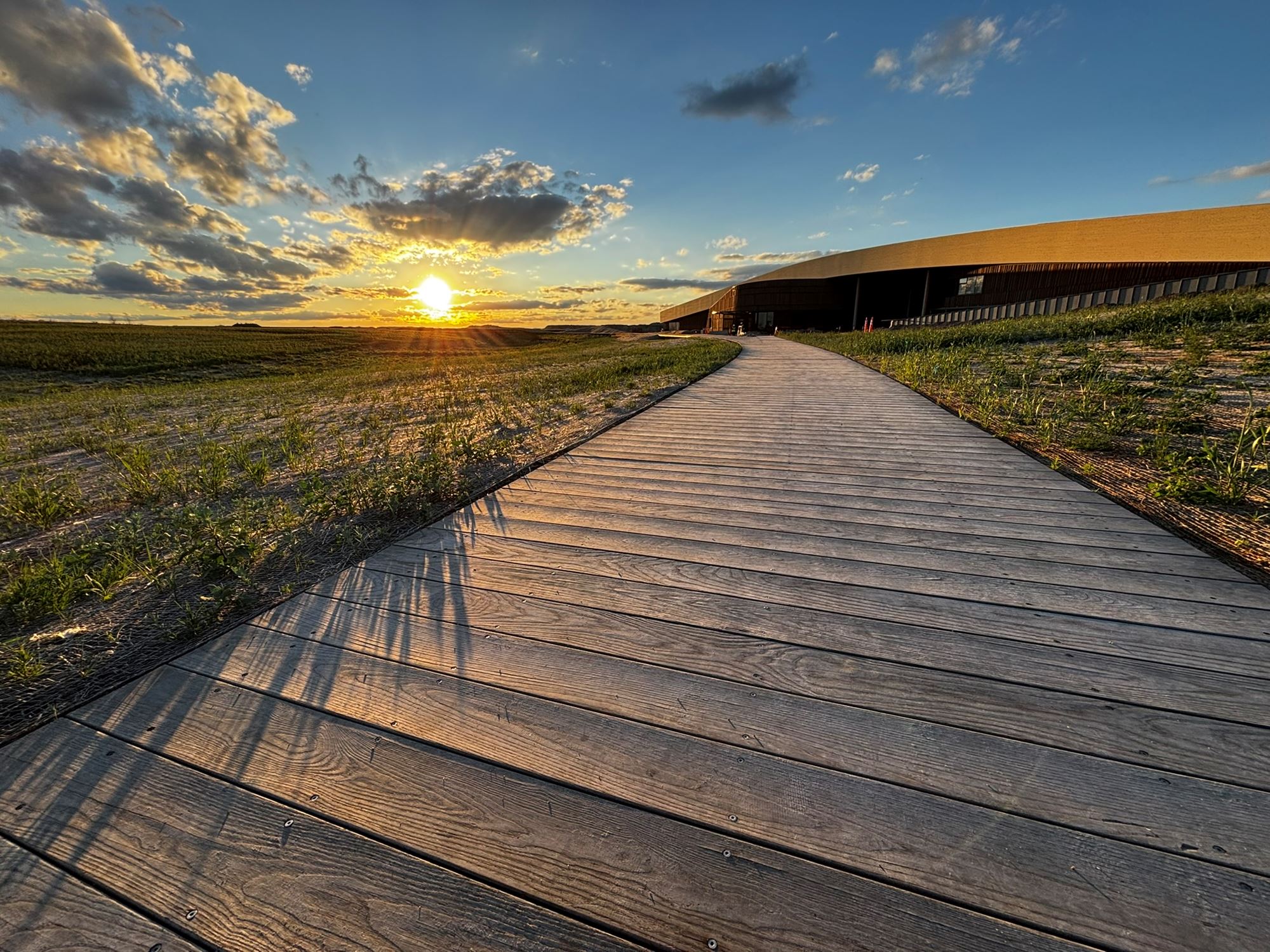
Material selection also had to meet practical demands. The elevated boardwalk, for example, required Confluence to evaluate how a material would look within the landscape while also weathering exposure, winter conditions, fire-rating requirements, maintenance needs, and the project’s sustainability goals.
In the finished project, these materials do more than support the design. They make the library’s relationship to the Badlands tangible, turning regional geology and working history into an expression of stewardship.
Stewardship for the Next Generation
Theodore Roosevelt’s conservation legacy began in the Badlands, where the land itself helped shape his understanding of stewardship. The Theodore Roosevelt Presidential Library returns that legacy to its source and carries it forward in contemporary form. Here, conservation is not treated as history alone. It becomes a working principle for how the library meets the land, performs over time, and invites people into a deeper relationship with place.
For Confluence, that work has meant translating an extraordinary design vision into a landscape grounded in the realities of western North Dakota. Through locally adapted planting, regional material sourcing, accessible paths, and systems designed to endure, the project turns sustainability into an experience visitors can move through and understand.
The library will help visitors learn about Roosevelt, but the landscape also invites them to learn from him. Its restoration strategies, material choices, and immersive connection to the Badlands carry forward the lesson he learned there. Land is more than a setting for human history; it is a responsibility held across generations.
Related Insights
 Insight
Healthcare Garden Design Program - Chicago Botanic Garden
Insight
Healthcare Garden Design Program - Chicago Botanic Garden
 Insight
Landscape Architecture Magazine - Feature Article
Insight
Landscape Architecture Magazine - Feature Article
 Insight
Finance & Commerce Magazine - Featured Interview
Insight
Finance & Commerce Magazine - Featured Interview
 Insight
ASLA Nebraska/Dakotas Chapter - Member Spotlight
Insight
ASLA Nebraska/Dakotas Chapter - Member Spotlight
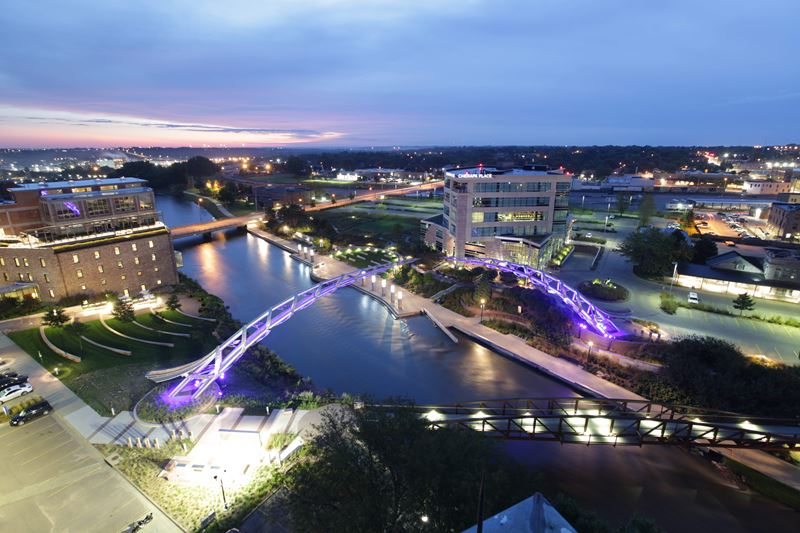 Insight
South Dakota Engineering Society Conference Speaker
Insight
South Dakota Engineering Society Conference Speaker
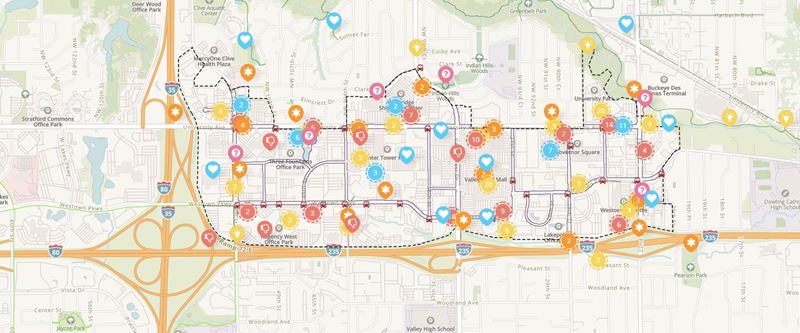 Insight
Interactive Website: University Avenue Corridor
Insight
Interactive Website: University Avenue Corridor
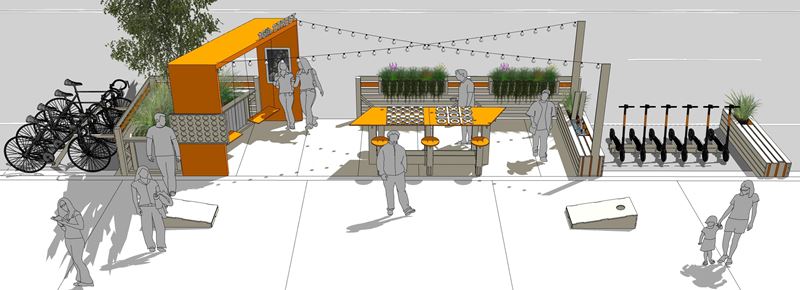 Insight
National Design Competition Winner: CoMotion LA Mobility Conference
Insight
National Design Competition Winner: CoMotion LA Mobility Conference
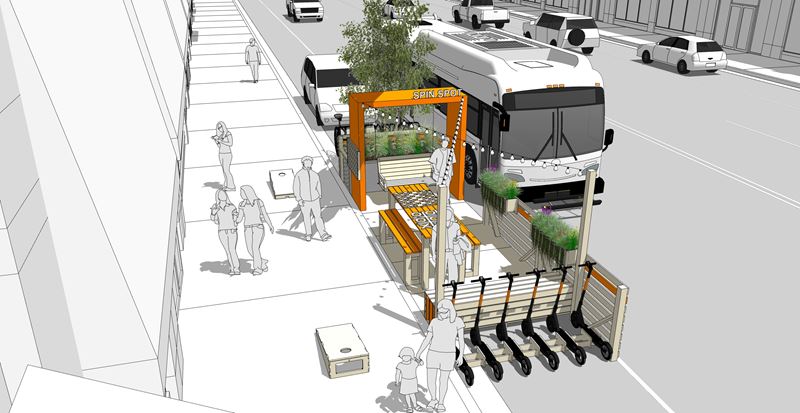 Insight
Spin Spot National Design Competition: Finalist
Insight
Spin Spot National Design Competition: Finalist
 Insight
APA National Conference Speaker
Insight
APA National Conference Speaker
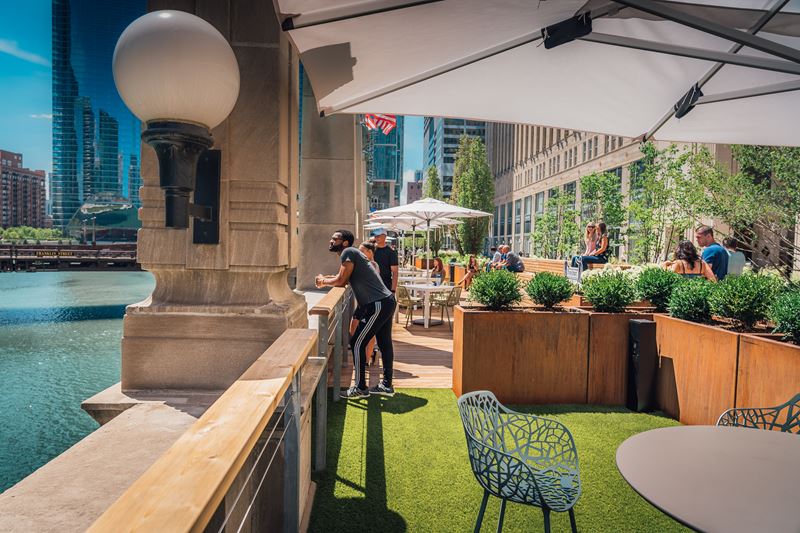 Insight
Designing For the Social Experience
Insight
Designing For the Social Experience
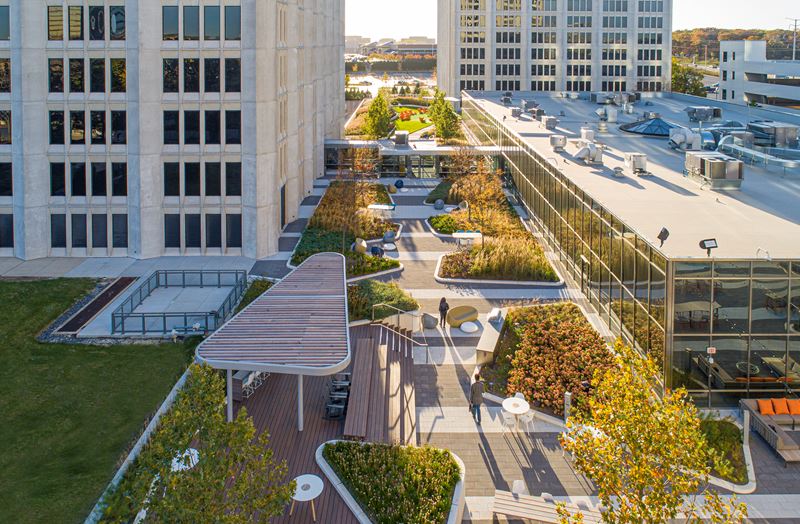 Insight
Amenity Deck Design for a Post-Pandemic World
Insight
Amenity Deck Design for a Post-Pandemic World
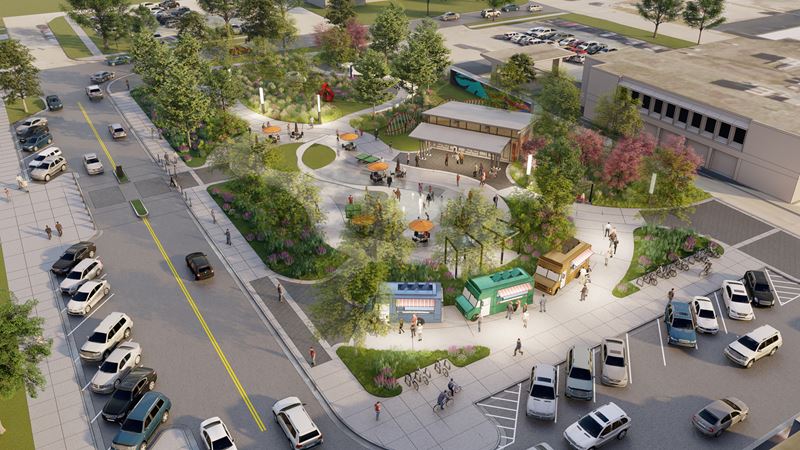 Insight
Greening the Urban Landscape, One Civic Plaza and Pocket Park at a Time
Insight
Greening the Urban Landscape, One Civic Plaza and Pocket Park at a Time
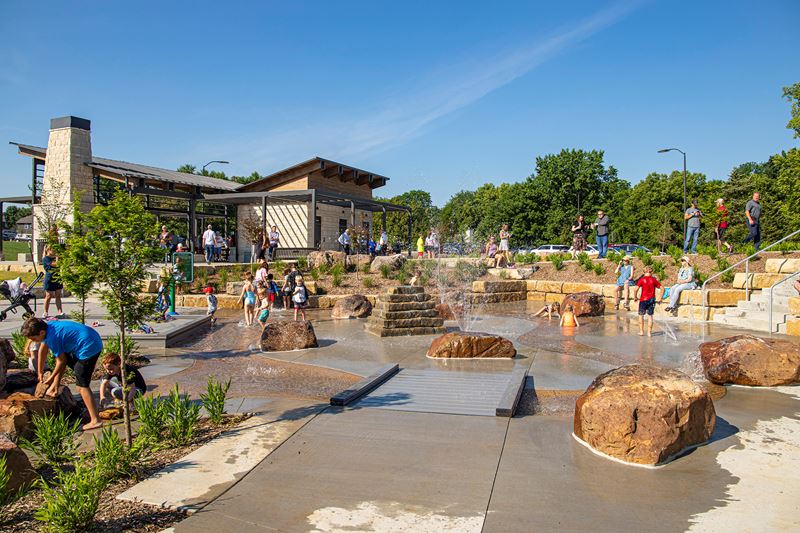 Insight
Our Work Makes Play Fun for All
Insight
Our Work Makes Play Fun for All
 Insight
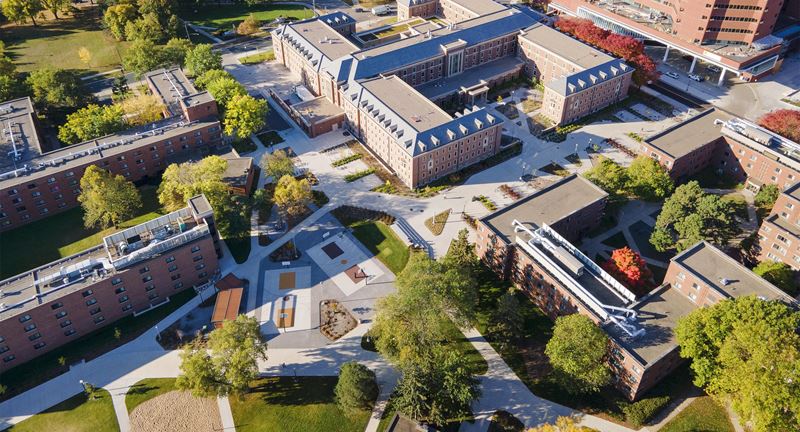
Attracting Students Back to Campus with Open Space Design
Insight
Attracting Students Back to Campus with Open Space Design
 Insight
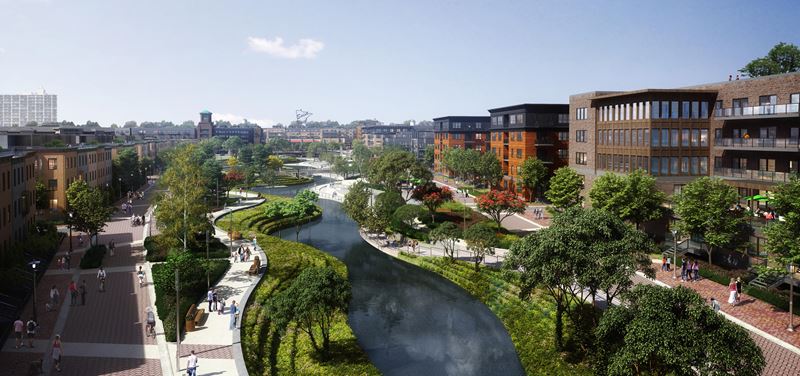
Watershed Moments
Insight
Watershed Moments
 Insight
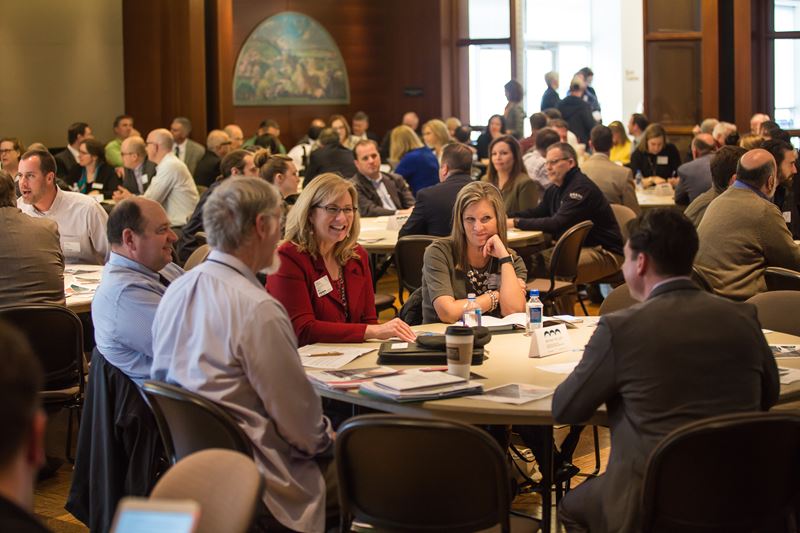
Community Engagement in Today's World
Insight
Community Engagement in Today's World
 Insight
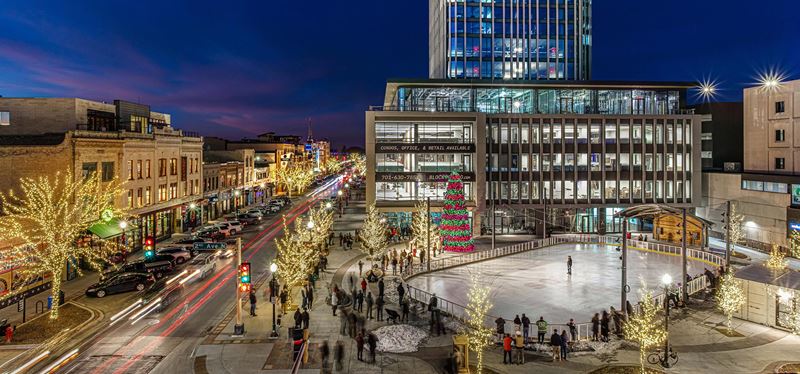
Energizing a Community Through Programmable Space Design
Insight
Energizing a Community Through Programmable Space Design